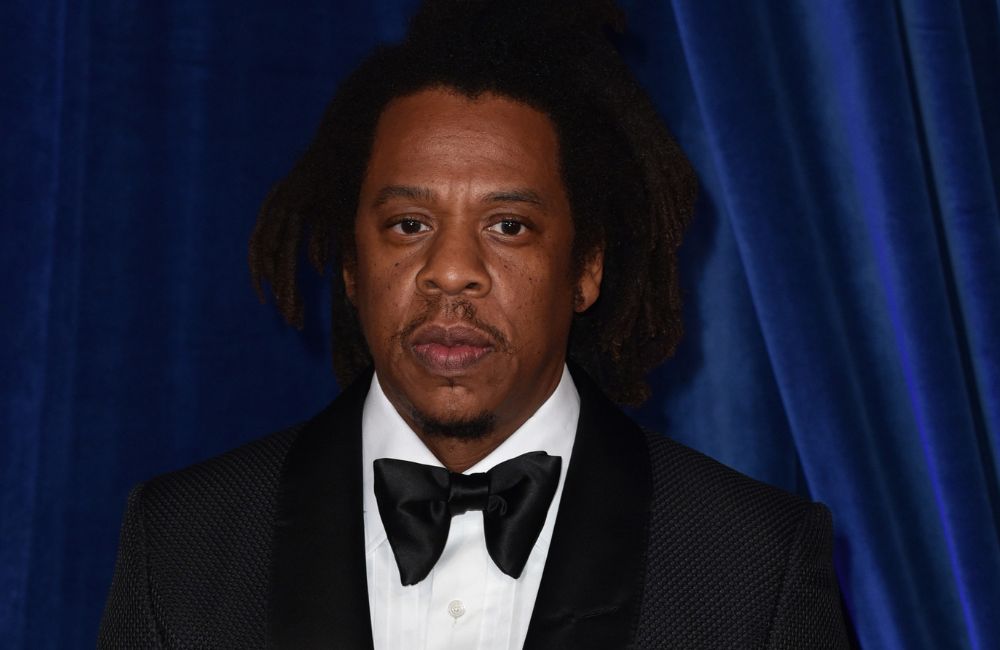
His GQ interview reignites a key community debate, with both sides deserving to be heard
Jay-Z has never been the type to play it safe in an interview, and his recent sit-down with GQ was no exception. The hip-hop mogul born Sean Carter sparked a wide-ranging conversation about capitalism, economic participation, and what ownership really means — a conversation the community has been having for generations, and one that is clearly far from over.
His remarks landed differently depending on who was listening. For some, they reflected the pragmatic mindset of a man who has actually built something. For others, they raised real questions about where the bar for empowerment should be set. Both reactions are worth taking seriously.
Why the Platform Choice Mattered to Some
Before the substance of the interview even landed, the setting drew attention. Jay-Z sat with GQ rather than a platform like Drink Champs — a podcast rooted in hip-hop culture with an audience that has championed his career for decades. For a portion of Jay-Z’s fanbase, that choice felt like a missed opportunity to speak directly to the people most invested in his perspective.
Jay-Z’s response to that criticism — that he does not concern himself with it — was read by some as confidence and by others as distance. The truth may sit somewhere between the two. Artists and entrepreneurs at his level often develop a thick skin that can read as indifference, even when the intention is simply focus.
The Jay-Z Ownership Argument — and Why It Sparked Debate
The most discussed moment from the interview was Jay-Z‘s position that ownership does not require a majority stake — that even a one-percent share qualifies a business as community-owned. It is a view that invites genuine debate, and the community has not held back in offering it.
Here is where both sides of the conversation stand
- The case for Jay-Z’s view— In a landscape where full ownership is often financially out of reach, any stake in a business can be a starting point. Getting a foot in the door — even at one percent — builds familiarity with how wealth-generating structures work and can grow over time.
- The case against— Historically, community ownership meant full control — the ability to make decisions, direct resources, and ensure profits stayed local. A one-percent stake rarely provides any of that, and stretching the definition risks making the label meaningless.
- The common ground— Everyone in this conversation wants the same thing — genuine economic power for the community. The disagreement is about which path gets there fastest and most authentically.
The Legacy of Ownership the Community Carries
The weight behind this debate comes directly from the leaders who shaped the community’s understanding of economic independence. Malcolm X called for full control over the economy of the community — not participation in someone else’s system, but the authority to direct resources from the inside. Marcus Garvey built an entire movement around self-sufficiency, teaching that doing for self was not just a financial strategy but a form of dignity.
Those teachings did not emerge from abstract ideology. They came from hard experience with what happens when a community has visibility inside a system without power over it. That history is why the one-percent framing hits a nerve — and why the conversation it sparked is worth having openly rather than dismissing.
What the Community Can Take From This Moment?
Jay-Z is one of the most documented success stories the community has produced — a self-made mogul who built an empire across music, business, and investment with an intentionality that is difficult to argue with. His perspective on capitalism comes from lived experience inside it, and that cannot be dismissed.
At the same time, the strongest communities are the ones that hold their most successful members to a high standard — not to tear them down, but because the stakes are real. The next generation is watching how these conversations unfold and forming its own understanding of what economic empowerment looks like.
What this moment offers, more than anything, is a productive question worth sitting with
- Is any ownership better than none, as a stepping stone toward full control?
- Or does lowering the definition risk stalling progress before it truly begins?
- And most importantly — how does the community build structures that make full ownership more accessible, so the debate becomes less necessary?
Jay-Z’s GQ interview may have divided opinion, but the conversation it started is exactly the kind the community needs. Not to settle who is right — but to sharpen the collective vision of where economic power should ultimately land.