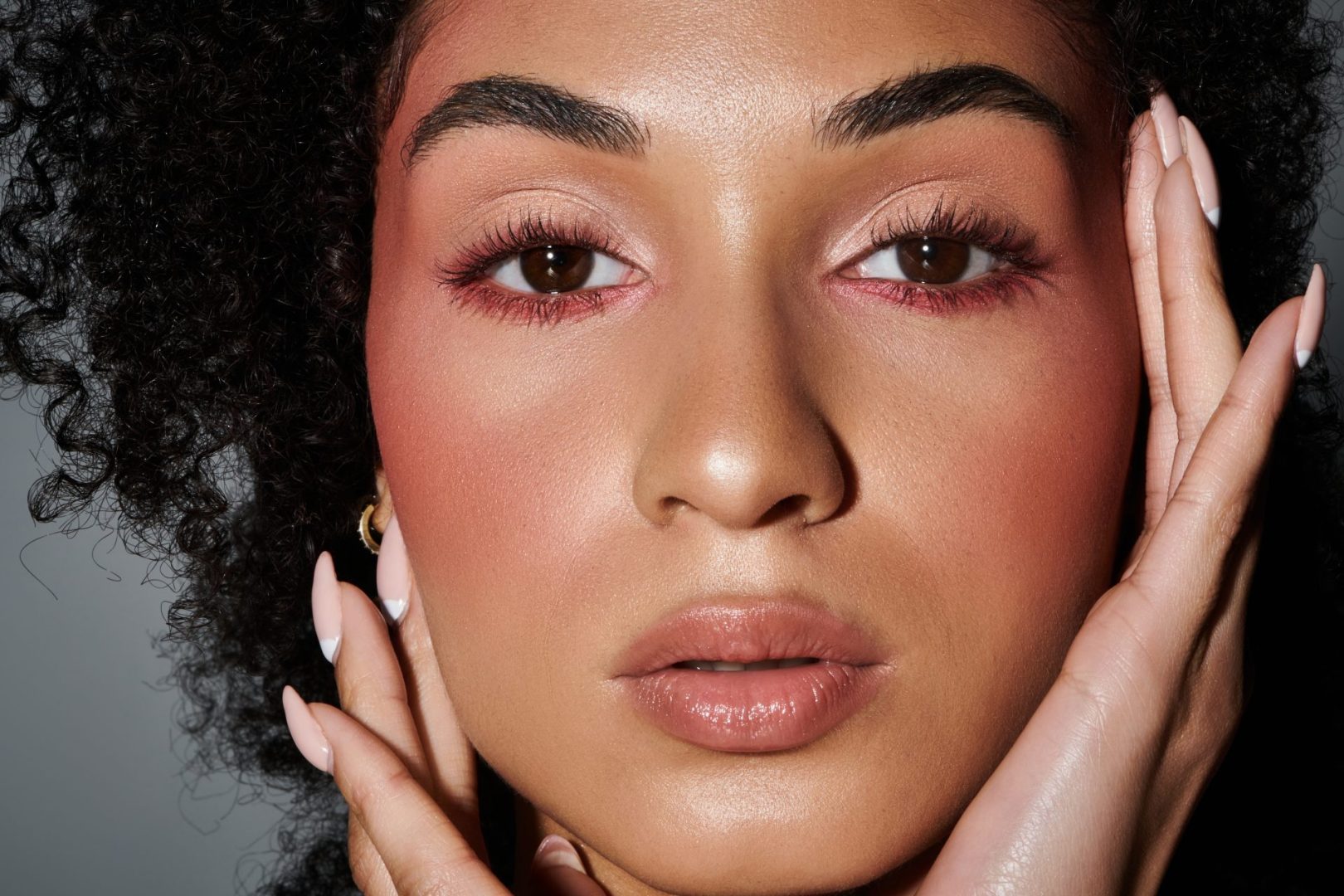
Highlighting and shading techniques promise sculpted features but often create unnatural effects when applied incorrectly
Contouring transformed from professional makeup artist technique to mainstream beauty standard. Social media tutorials make it look simple. Apply darker shades where you want shadows, lighter shades where you want dimension, blend everything together. The result should mimic natural bone structure and create definition where genetics didn’t provide it.
The reality proves more complicated. Contouring requires understanding light, shadow, face shape, and blending technique. Miss any element and the effect ranges from barely noticeable to theatrical stripes across your face. Most people fall somewhere in the middle, creating makeup that looks fine in selfies but obvious in person.
The technique itself isn’t flawed. Stage performers and film actors have used contouring for decades to ensure their features read clearly under harsh lighting. The problem emerges when translating professional methods to everyday wear without adjusting for different lighting conditions and viewing distances.
Understanding contouring placement
Contour shade goes where natural shadows fall on the face. The hollows beneath cheekbones, along the sides of the nose, at the temples, and under the jawline. These areas recede naturally when light hits the face from above. Adding darker makeup enhances this recession, making features appear more defined.
The mistake comes from following face shape charts too literally. These diagrams suggest universal placement that doesn’t account for individual bone structure variation. Someone with naturally prominent cheekbones needs different contouring than someone with a rounder face, even if both classify as oval face shape.
Contour should follow your actual bone structure rather than trying to create structure that doesn’t exist. Run your fingers along your cheekbones to find where the hollow naturally forms. That’s where contour belongs, not wherever a diagram indicates for your supposed face shape category.
Shade selection matters as much as placement. Contour should look like shadow, which means cool-toned browns or grays rather than warm bronzers. Warm tones read as suntan rather than shadow. The effect might look okay but doesn’t create the sculpting illusion contouring promises.
Highlighting creates dimension
Highlight catches light, drawing attention to high points of the face. Cheekbones, bridge of the nose, cupid’s bow, center of the forehead, center of the chin. These areas naturally catch light, and enhancing them creates dimension that makes contouring more effective.
The highlighting trend has gone off course in recent years. What started as subtle light-catching shimmer became intense metallic stripes that look more like body paint than makeup. The glow should appear natural, as if your skin naturally reflects light beautifully, not as if you applied glitter glue.
Cream highlights work better for most people than powder. They blend into skin more seamlessly and create a wet-looking sheen rather than obvious shimmer. Powder highlights have their place for photography or evening events but can look artificial in daylight.
Application method affects the final result significantly. Fingers warm up cream products and press them into skin for better adherence. Brushes work well for powder but can create harsh lines with cream. Beauty sponges blend both formulas effectively but absorb product, requiring more application.
When contouring works and when it doesn’t
Contouring photographs well because cameras flatten features. Adding dimension through makeup helps features read clearly in photos. This explains why contouring looks so effective in selfies and tutorials. The technique addresses a photography problem.
In person, under natural lighting, heavy contouring often looks muddy. The carefully blended shadows that appear sculpted in photos become visible stripes when someone views your face from multiple angles in changing light. Subtle application translates better to real life than the dramatic contouring popular on social media.
Professional makeup artists adjust contouring intensity based on context. Bridal makeup uses lighter application because photographers already create flattering shadows through lighting. Fashion shoots might employ dramatic contouring because harsh lighting washes out natural dimension. Editorial work can push boundaries because the goal is artistic rather than realistic.
Finding your approach
Experiment with placement and intensity to determine what works for your face and lifestyle. Start with less product than tutorials suggest. Build gradually rather than applying heavily upfront. Blend more than seems necessary.
Check your makeup in different lighting before leaving home. Bathroom lighting differs from office lighting differs from outdoor lighting. What looks perfect in your mirror might look strange elsewhere. Natural light reveals the truth.
Contouring offers a tool for enhancing features, not rewriting your face. Used thoughtfully, it adds polish and dimension. Applied incorrectly or too heavily, it creates more problems than it solves. The difference lies in understanding why you’re contouring and adjusting technique accordingly.