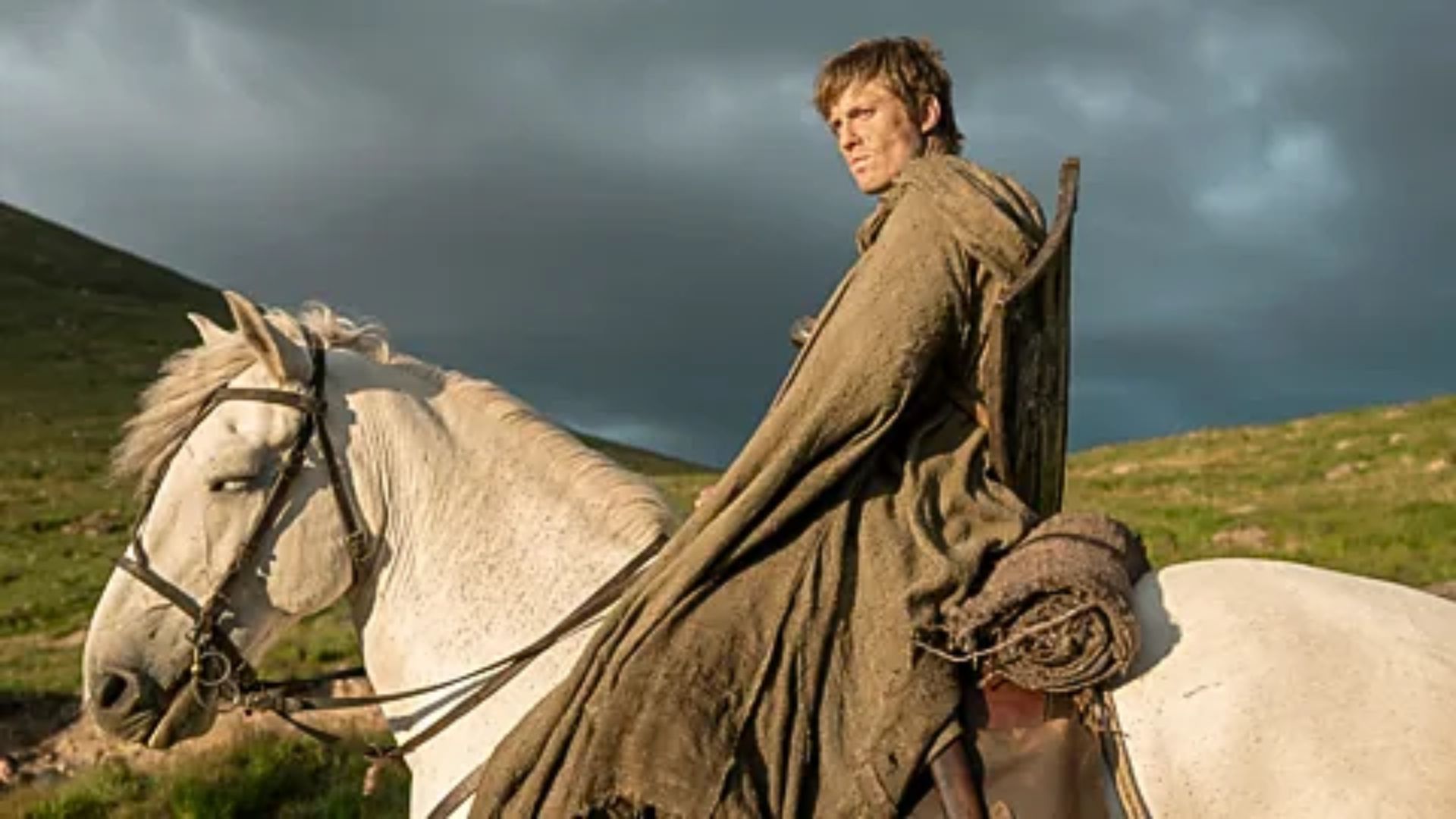

Fantasy TV often leans into chaos, power grabs, and endless bloodshed. A Knight of the Seven Kingdoms takes a different road, and that choice feels very deliberate. Instead of kings and massive wars, the story stays close to small decisions and personal values.
Bertie Carvel, who plays Prince Baelor Targaryen, recently spoke about the meaning behind the series. In an interview with Entertainment Tonight, he explained that the world today feels hungry for compassion.
“These are the stories that need to be told. It is an old story, but one we should not stop telling”
A Knight of the Seven Kingdoms: Bertie Carvel on why this story still hits home
Bertie Carvel pointed out how George R.R. Martin’s writing balances realism with hope in a rare way. The story does not pretend people are perfect, but it also refuses to say goodness is pointless. Carvel tied that balance directly to the present moment, where leadership and moral choice feel uncertain.
What makes A Knight of the Seven Kingdoms different from Game of Thrones
The series is based on George R.R. Martin’s Tales of Dunk and Egg and steps away from throne politics and places the focus on everyday honor. The story follows Ser Duncan the Tall, a hedge knight with more heart than status.
Alongside him is Egg, a sharp and curious boy with a hidden royal identity, and their journey feels smaller on the map but larger in meaning. Instead of winning power, the goal is survival, fairness, and self-respect. That grounded approach gives the show a different emotional weight.
Why Prince Baelor matters in this version of Westeros
Bertie Carvel’s Prince Baelor Targaryen represents restraint in a violent family line and is not driven by ego or conquest. He believes in duty, patience, and responsibility over fear.
In a world where Targaryens often bring destruction, Baelor stands apart. Carvel plays him as a man aware of power but careful with it, and it fits the show’s wider message about leadership done quietly.
The timing feels intentional
A Knight of the Seven Kingdoms premieres on HBO on Sunday, January 18, and the first season runs for six episodes, released weekly. HBO positions it as a slower, more thoughtful entry into Westeros. This arrives after years of louder, darker fantasy storytelling, and the contrast makes the series feel timely rather than nostalgic. It reminds viewers that fantasy can still talk about values without feeling naive.
A cast built around character, not spectacle
Bertie Carvel is joined by Peter Claffey as Ser Duncan the Tall. Dexter Sol Ansell plays Egg, whose curiosity often drives the story forward. Finn Bennett and other supporting actors help fill out the wider world. The cast leans into dialogue and expression more than action scenes. That approach keeps the focus on human moments instead of shock value.
How the show reflects George R.R. Martin’s deeper themes
Martin has often written about how power tests character, and the series strips that idea down to its basics. There are no dragons, burning cities, or armies clashing for spectacle. Instead, some choices reveal who people really are. Carvel’s comments reflect that intention clearly. He sees the story as a reminder that goodness still has a place in fiction.
Bertie Carvel’s growing presence in fantasy television
Alongside A Knight of the Seven Kingdoms, Carvel is also joining HBO’s Harry Potter reboot. He will play Cornelius Fudge, the Minister of Magic, and the role connects him again to stories about power and responsibility. In both projects, his characters sit close to authority rather than action. That pattern highlights his strength in layered, thoughtful roles.
Why this “old story” still matters now
Carvel’s point is not about nostalgia but about repetition with purpose. Stories about honor and empathy do not lose value with age, as they gain relevance when the world feels uncertain. A Knight of the Seven Kingdoms does not shout its message but trusts viewers to notice the quiet moments, and that trust may be its greatest strength.
With strong source material, A Knight of the Seven Kingdoms has room to grow over multiple seasons. George R.R. Martin has written enough to expand this corner of Westeros slowly, and if audiences connect with its tone, it could reshape expectations for fantasy TV. Bertie Carvel’s belief in the story feels rooted, not promotional. It suggests confidence in a narrative that values humanity over spectacle.
Edited by Sroban Ghosh