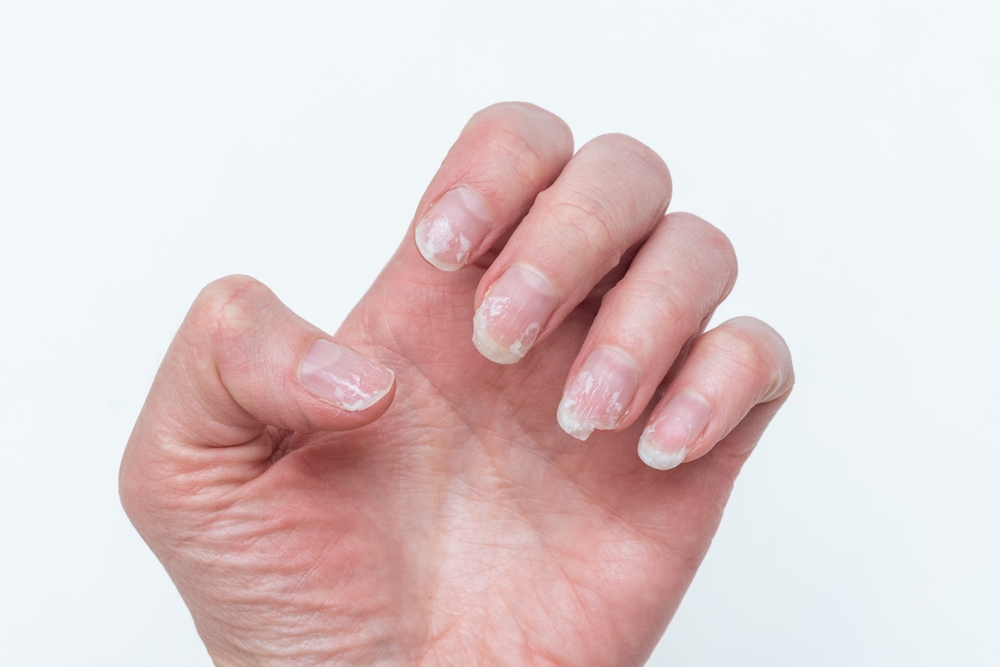
Weak, brittle nails that split and break easily frustrate millions of people searching for solutions that actually work. While countless home remedies promise stronger nails, scientific evidence points to biotin supplementation combined with consistent moisturizing as the most effective approach for genuine improvement.
Biotin delivers measurable nail improvement
Biotin, also known as vitamin B7, represents the most scientifically validated home remedy for strengthening weak nails. This water-soluble vitamin plays a crucial role in the production of keratin, the protein that forms the structure of your nails, hair and skin. Multiple studies have demonstrated that biotin supplementation increases nail thickness and reduces splitting and breakage in people with brittle nails. The typical effective dose ranges from 2.5 to 5 milligrams daily, taken consistently for at least three to six months before visible results appear. Unlike topical treatments that only affect the nail surface, biotin works from within to fundamentally improve nail structure as new growth emerges.
The moisturizing method that penetrates nail plates
Regular moisturizing with oils creates a protective barrier that prevents moisture loss and environmental damage to nails. Coconut oil, olive oil and jojoba oil all penetrate the nail plate more effectively than standard hand lotions because their molecular structure allows deeper absorption. Applying oil to bare nails and cuticles before bed gives the treatment maximum time to work without interference from hand washing or daily activities. Gently massaging oil into the nail bed stimulates blood circulation, potentially improving nutrient delivery to the nail matrix where growth occurs. This simple practice performed nightly can visibly improve nail flexibility and reduce brittleness within weeks.
Cuticle care strengthens from the growth source
Your cuticles protect the nail matrix, the living tissue beneath the base of your nail where new cells form. Keeping cuticles healthy and hydrated directly impacts the quality of nail growth. Rather than cutting cuticles, which damages this protective barrier, gently pushing them back after bathing when they soften naturally maintains their protective function. Applying cuticle oil or thick moisturizer to this area multiple times daily keeps the tissue supple and supports optimal nail formation. Damaged or dried cuticles often correlate with weak, ridged nails because the growth environment itself becomes compromised.
Diet modifications address underlying deficiencies
Nail health reflects overall nutritional status, making dietary improvements a foundational home remedy. Protein deficiency weakens nails because keratin formation requires adequate amino acids. Iron deficiency causes spoon-shaped, brittle nails that break easily. Zinc supports immune function and tissue repair, including nail regeneration. Omega-3 fatty acids reduce inflammation and improve moisture retention throughout the body including nail beds. Adding lean proteins, leafy greens, nuts, seeds and fatty fish to your regular diet provides the building blocks your body needs for strong nail production without requiring expensive supplements.
Hydration impacts nail flexibility dramatically
Adequate water intake affects nail health more than most people realize. Dehydrated nails become rigid and prone to cracking, while properly hydrated nails maintain flexibility that allows them to bend slightly without breaking. The nail plate contains layers of keratin cells held together with moisture and natural oils. When systemic dehydration reduces moisture content throughout your body, nails become one of the first places this shows visibly. Drinking sufficient water throughout the day, typically eight glasses minimum, supports nail hydration from within while topical moisturizers protect the surface.
Protection prevents damage accumulation
Preventing damage proves as important as active strengthening treatments. Wearing gloves during household cleaning protects nails from harsh chemicals that strip natural oils and weaken the keratin structure. These chemicals penetrate the nail plate and cause dehydration and brittleness that accumulates with repeated exposure. Similarly, using nails as tools to open packages, scrape labels or pry things open causes micro-fractures that eventually manifest as breaks and splits. Treating nails gently and protecting them from chemical and mechanical stress allows strengthening remedies to work more effectively.
Filing technique determines nail integrity
How you file your nails significantly impacts their strength and breakage resistance. Filing in one direction rather than using a back-and-forth sawing motion prevents creating tiny tears along the nail edge that propagate into larger breaks. Using a fine-grit nail file rather than coarse emery boards reduces damage to the nail plate layers. Filing nails when completely dry rather than after bathing prevents unnecessary stress on softened nails. Maintaining slightly rounded edges rather than sharp square corners distributes stress more evenly and reduces corner breakage.
The waiting game requires patience
Real nail improvement requires patience because fingernails grow slowly, typically about 3 millimeters per month. Complete nail replacement from cuticle to tip takes four to six months, meaning you must wait that long to see the full effects of any strengthening regimen. Changes you make today affect the nail growth emerging from the matrix, not the existing nail plate already exposed. This timeline explains why consistent application of biotin and moisturizing routines for several months becomes necessary before judging effectiveness.
This article is based on established dermatological research and scientific evidence regarding nail health and strengthening methods.