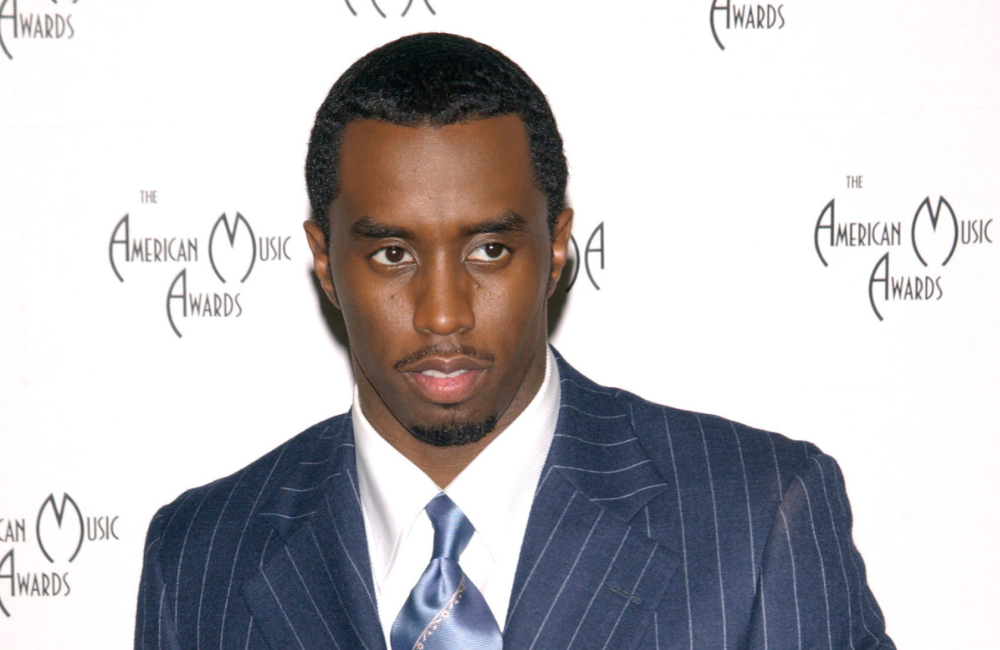
Clemency considerations for the convict Combs might’ve been killed by comments rap mogul reportedly made during president’s first term
The letter arrived quietly, folded into the daily stack of requests that crossed the Resolute Desk, but its sender ensured it would never be just another piece of paper. Sean “Diddy” Combs, once a titan of hip-hop, now an inmate serving time for prostitution-related crimes, had asked President Donald Trump for a pardon.
By the time Trump sat down for an hour-long interview with The New York Times on Jan. 7, the request had already been weighed and, in the president’s mind, set aside.
Trump says no to a pardon of Diddy
Asked directly whether he intended to grant clemency to the 56-year-old music mogul, Trump was blunt. He was not inclined to do so.
Combs’ fall from cultural dominance had been swift and public. Convicted the previous July on two counts of transporting people across state lines for prostitution, he had avoided the most severe charges — sex trafficking and racketeering — after a jury acquitted him on those counts.
Diddy seeks appeal of his conviction
Still, the sentence that followed was enough to end any illusion that fame alone could shield him. From prison, Combs began appealing his conviction, even as he reached outward, seeking mercy from the highest office in the land.
Trump confirmed during the interview that Combs had written him directly. It was not the first time the president had spoken about the request. Months earlier, he had acknowledged it in the Oval Office, noting that their once-cordial relationship had soured. Combs’ public criticism during Trump’s first presidential run, the president later said, made any consideration of a pardon “more difficult.”
Trump discussed other world issues
The conversation with The Times widened beyond Combs. Trump was presented with a list of other high-profile prisoners whose names had fueled speculation in political and media circles. One by one, he dismissed them. Deposed Venezuelan leader Nicolás Maduro, seized by U.S. forces over the weekend and now facing drug trafficking charges, would not receive clemency. “No, I don’t see that,” Trump said.
Others fared no better. Disgraced crypto tycoon Sam Bankman-Fried, serving a 25-year sentence, would remain behind bars. Former Democratic senator Robert Menendez, imprisoned for accepting bribes, was not under consideration either. Even the hypothetical question of pardoning Derek Chauvin — the former Minneapolis police officer convicted of murdering George Floyd — was met with distance. Trump said he had not been asked about it.
Trump did pardon others
The president’s answers sketched a clearer picture of how he viewed the power of pardon: selective, personal, and unapologetically political. Only months earlier, he had demonstrated that the door to clemency was not entirely closed, granting a pardon to Honduran ex-president Juan Orlando Hernández, who had been serving a lengthy sentence for drug trafficking. That decision underscored that Trump’s refusals were not about principle alone, but judgment.
Behind the scenes, the White House sought to quiet rumors. When reports surfaced suggesting Trump was actively deliberating a commutation for Combs, a spokesperson pushed back sharply, insisting there was “zero truth” to the claims. The message was clear: Speculation did not equal intent, and anonymous sources did not speak for the president.
Trump accepts awards
The irony of Combs’ appeal was not lost on observers. Two decades earlier, he had stood beside Trump at Mar-a-Lago, accepting an award for philanthropy and youth activism. The photograph from that night — smiles, tuxedos, easy proximity to power — now felt like a relic from another lifetime.
In the end, the story was less about a single pardon denied than about the limits of influence. From prison cells and presidential palaces alike, the machinery of justice ground forward. Letters could be written, interviews granted, and questions asked, but the answers, at least for now, were final.