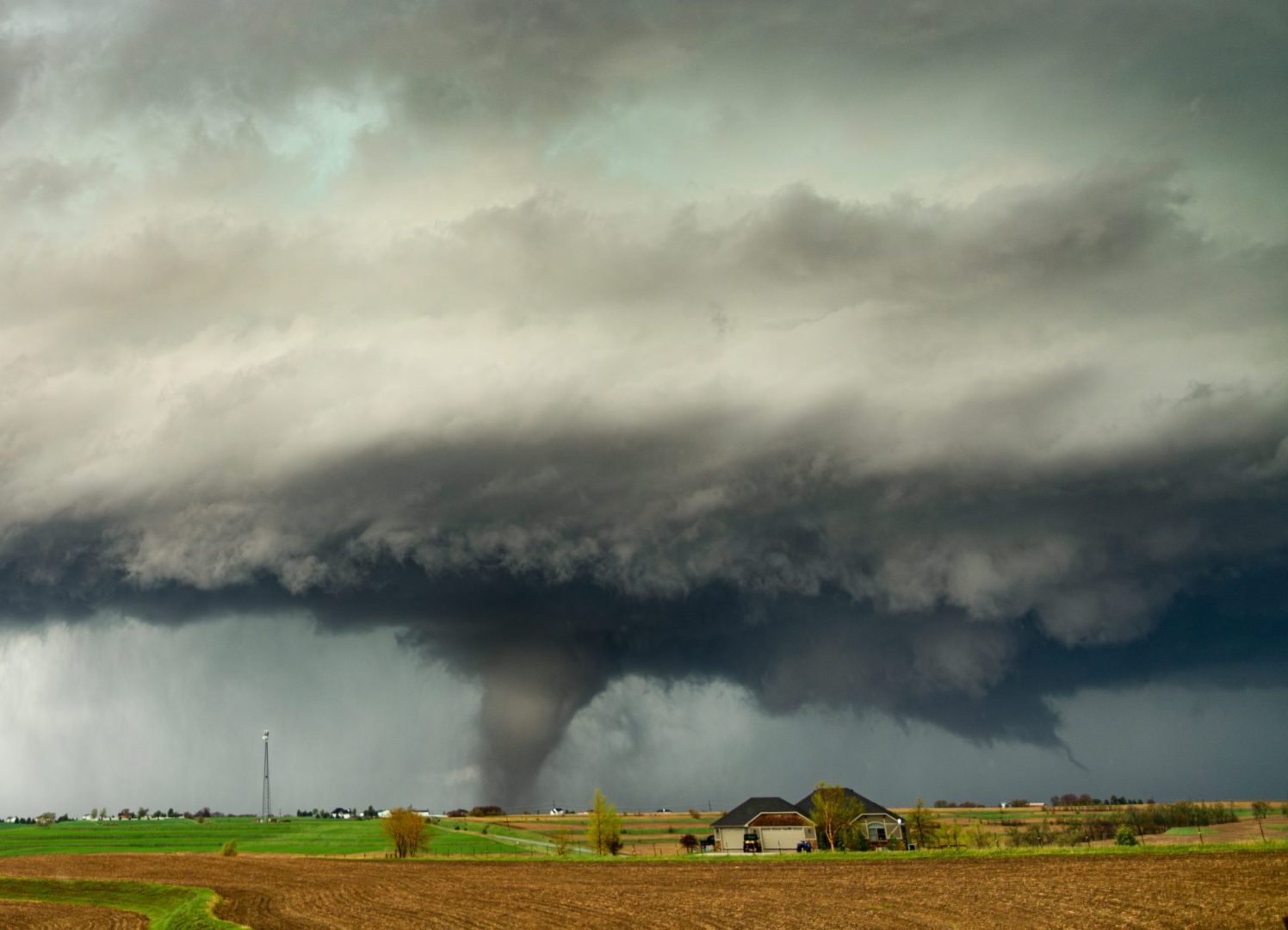
Severe weather disrupts morning routines as twisters touch down across central Oklahoma, marking an unusually early start to 2026’s tornado season
Tornadoes Strike Central Oklahoma During Morning Rush
Central Oklahoma residents faced a harrowing start to their Thursday as multiple tornadoes swept through the region during morning commutes, disrupting routines and forcing families to shelter in place. The severe weather system, which generated the first tornado warnings of 2026, moved rapidly across the Oklahoma City metropolitan area before tracking northeast toward Arkansas.
The National Weather Service issued several tornado warnings beginning in the early morning hours, with meteorologists tracking both radar-indicated and confirmed tornadoes touching down across multiple counties. The dangerous weather unfolded as parents dropped children at school and workers navigated their morning commutes, creating particularly hazardous conditions on roadways throughout the affected areas.
By mid-morning, the immediate threat had passed through central portions of the state, though forecasters warned that the storm system would continue advancing eastward. Weather officials projected the line of severe thunderstorms would reach the River Valley and Northwest Arkansas by Thursday afternoon, prompting residents in those areas to monitor conditions closely.
Geographic Scope of Thursday’s Tornado Activity
The National Weather Service confirmed that all tornado warnings expired by 9:30 a.m., but not before the storms generated significant concern across a wide swath of Oklahoma. Northwestern Pottawatomie County experienced a confirmed tornado touchdown, while radar signatures indicated additional tornadoes in several other locations throughout the morning.
Southeastern Lincoln and northeastern Pottawatomie counties received warnings for radar-indicated tornadoes, as did portions of south central Lincoln and north central Pottawatomie counties. Further north, dangerous weather conditions prompted tornado warnings for northern Washington County, northern Nowata County, and east-central Osage County.
Despite the expiration of individual warnings, tornado watches remained active through midday for 16 counties across northeastern Oklahoma. Adair, Cherokee, Craig, Delaware, Haskell, Mayes, McIntosh, Muskogee, Nowata, Okmulgee, Ottawa, Rogers, Sequoyah, Tulsa, Wagoner, and Washington counties all remained under watch status until noon, keeping residents on alert for potentially renewed severe weather.
Regional Impact and Community Response
Communities throughout central Oklahoma responded swiftly to the severe weather threat. The National Weather Service reported that the immediate danger concluded around 8:20 a.m. for Stillwater, Wellston, Shawnee, and Tecumseh, allowing those areas to begin assessing any damage and resume normal activities.
However, Prague and Wewoka continued facing severe weather threats beyond that timeframe, requiring residents there to maintain vigilance. The staggered timing of the storm’s progression underscored the challenge facing emergency management officials attempting to coordinate responses across such a broad geographic area.
School districts across the affected region monitored conditions carefully, with some implementing delays or closures to ensure student safety. Power companies reported scattered outages as the storms moved through, though the extent of electrical disruptions remained unclear in the immediate aftermath.
Historical Context for Early-Season Tornadoes
While January tornadoes capture public attention due to their rarity, Thursday’s severe weather does not represent Oklahoma’s earliest tornado activity on record. The state experienced even earlier tornado touchdowns on Jan. 2, 2023, when a widespread severe weather outbreak struck the region.
That 2023 event produced an EF0 tornado in Mayes County around 5:30 p.m., with the twister traveling approximately 5.3 miles over 11 minutes. Meteorologists recorded maximum wind speeds of 81 mph during that tornado’s brief but destructive path across the landscape.
The occurrence of severe weather so early in the calendar year highlights Oklahoma’s position within Tornado Alley, where atmospheric conditions can occasionally align to produce dangerous storms even during winter months. Meteorologists note that while spring typically represents peak tornado season for the region, residents must remain weather-aware year-round given the state’s vulnerability to severe thunderstorms.
Source: The Oklahoman