Rapper has taken lashing from fans and fellow rappers alike for advising folks to leave the streets
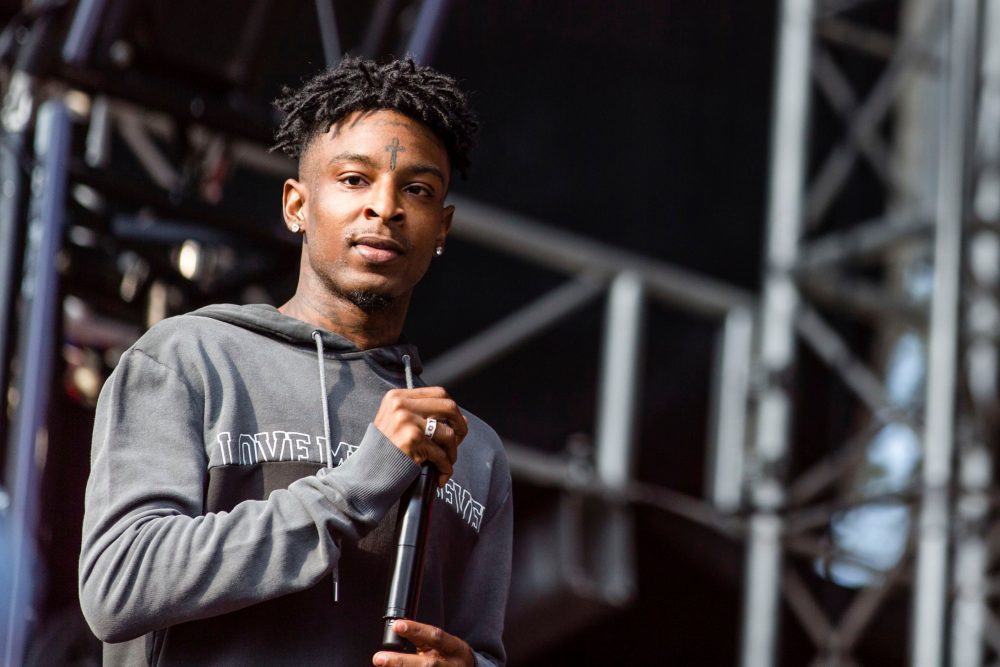
Hip-hop has always wrestled with its origins. The streets — romanticized, demonized, survived — are both the genre’s backbone and its burden. Lately, that tension has bubbled to the surface again, as Young Thug and 21 Savage have been at the forefront of what many fans are calling a “f–k the streets” era: a push toward unity, self-preservation, and moving beyond the cycles that have claimed too many lives.
But not everyone is buying the rebrand.
As the message circulates through Atlanta and beyond, a growing group of rappers and hip-hop-adjacent voices are pushing back, arguing that you can’t disown the streets while still profiting from the culture they created.
From Boosie Badazz’s capital-letter sermons to Charleston White’s scorched-earth critiques, the backlash has been loud, emotional, and deeply revealing.
Boosie Badazz: ‘Stop double dipping’
Boosie Badazz took a more reflective — if still fiery — approach. His argument wasn’t that artists shouldn’t want better lives for younger generations. It was that the messaging has to be honest.
“IF THE RAPPERS GO SAY F**K THE STREETS YALL NEED TO STOP RAPPING BOUT EM!!” Boosie wrote on X. “STOP DOUBLE DIPPING!! RAP ABOUT FRUITS, COLLEGE COURSES N STAYING OUT THE STREETS.”
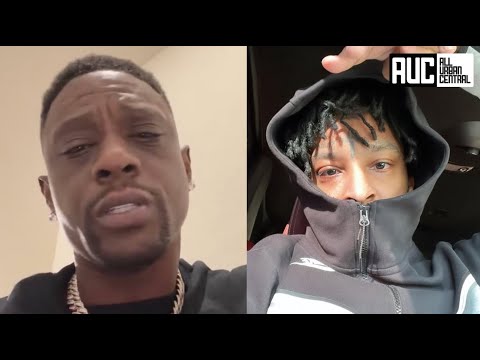
For Boosie, the issue is hypocrisy. He sees the streets not just as a setting for pain, but as a formative force — one that shaped the mindset, hustle, and intuition that many rappers later turned into success.
“IF U FROM THE STREETS THE STREETS SHAPED YOU TO THE MAN U R TODAY,” he continued. “YO SUPPORT CAME FROM THE STREETS!!”
Boosie made it clear he wants kids to escape street life. But erasing the streets from the narrative altogether? That’s where he draws the line.
“IM NEVER SAYING ‘F**K THE STREETS,’” he added. “THEY RESPONSIBLE FOR OUR SUCCESS!!”
In Boosie’s view, if artists truly believe in the message, they should prove it by removing street talk from their music entirely — no more coded references, no more gritty aesthetics, no more selective memory.
Charleston White: No grace, no rewrites
If Boosie offered critique, Charleston White delivered confrontation.
White didn’t just reject the message — he rejected the messengers. In a viral clip shared by The Neighborhood Talk, he accused Young Thug and 21 Savage of trying to rewrite history now that the consequences of their pasts have caught up to them.
“Stand on that st,” White said bluntly. “You nas talked all that st… and now you nas hollering, ‘F**k the streets’?”
White’s criticism centered on accountability. In his eyes, abandoning the street code after benefiting from it—and after others paid the price — isn’t growth, it’s convenience.
“Just six months ago, you n—-s was trying to shame Gunna,” he added. “Now it’s fk the streets.”

His message, though harsh, echoes a recurring frustration within hip-hop: the idea that moral clarity often arrives only after legal trouble, loss, or public pressure.
A culture at a crossroads
The pushback isn’t limited to Boosie and White. Across the culture, artists like BossMan Dlow, Fivio Foreign, and others have hinted — directly or indirectly — at skepticism toward sanitized narratives that distance rap from its roots while still capitalizing on its imagery.
At the heart of the debate is a question hip-hop has never fully answered: Can you evolve without disowning where you came from?
Young Thug and 21 Savage’s message of unity and survival resonates with many fans tired of watching careers — and lives — cut short. But for critics, the concern isn’t the goal. It’s the framing. The streets, they argue, are not just something to escape — they’re something to acknowledge, understand, and reckon with honestly.
As hip-hop continues to grow older, richer, and more self-aware, this conversation isn’t going away. The genre is deciding, in real time, how to talk about its past — and who gets to lead that conversation.