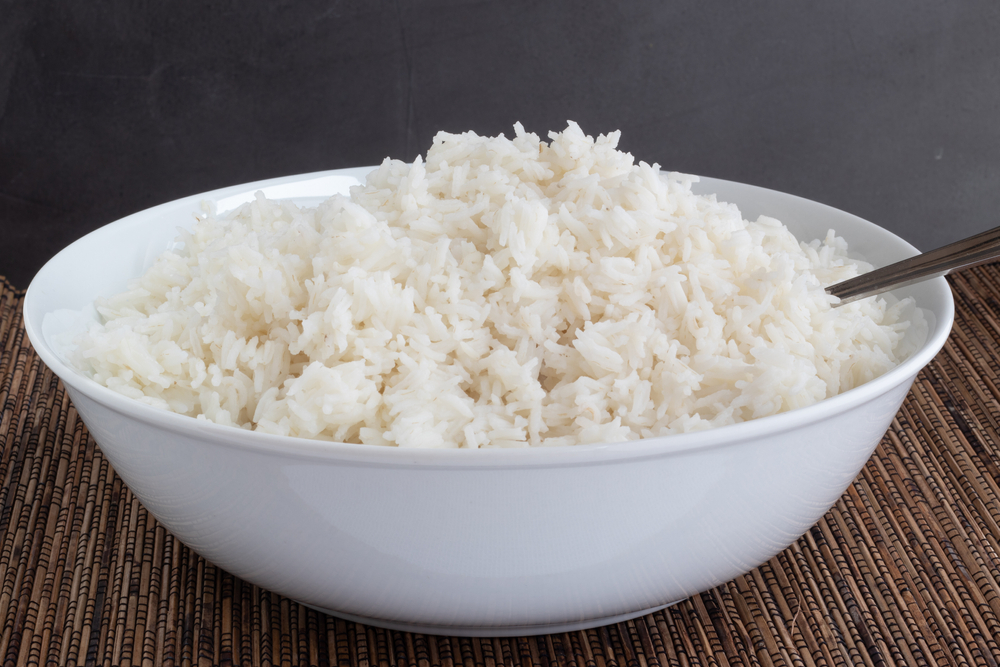
Leftover rice seems harmless. It’s already cooked, you’re just reheating it. But rice causes thousands of severe food poisoning cases annually, and some result in death. The bacteria responsible, Bacillus cereus, survives cooking and multiplies rapidly in improperly stored rice, producing toxins that reheating can’t destroy. This makes leftover rice potentially more dangerous than undercooked chicken.
Most people worry about raw meat contamination while completely ignoring rice safety. But food safety experts know that rice left at room temperature for even a few hours becomes a breeding ground for bacteria. The resulting illness ranges from severe vomiting to liver failure in extreme cases.
Why cooking doesn’t kill the bacteria
Bacillus cereus forms heat-resistant spores that survive boiling temperatures. When you cook rice, you kill the active bacteria but not the dormant spores. These spores are like bacterial seeds waiting for the right conditions to germinate.
Once cooked rice cools to room temperature, the spores activate and begin multiplying exponentially. They thrive in the moist, starchy environment that cooked rice provides. Within hours, harmless spore counts explode into dangerous bacterial populations producing toxins.
The toxins are the real problem. Even if you reheat rice hot enough to kill bacteria, the toxins they’ve already produced remain in the food. These toxins cause vomiting and diarrhea that can be severe enough to require hospitalization. Your body can’t break down or neutralize these bacterial toxins.
The danger zone that happens constantly
Leaving cooked rice at room temperature for more than two hours creates dangerous bacterial growth. Many people do this routinely without realizing the risk. You cook dinner, eat, and leave the pot of rice on the stove while you clean up and watch TV. That’s exactly when the danger develops.
Restaurants and catering operations that prepare rice hours before serving face similar risks. Buffets holding rice at lukewarm temperatures all day are particularly problematic. The rice sits in the perfect temperature range for bacterial multiplication while looking and smelling completely normal.
Even refrigerated rice isn’t safe if it wasn’t cooled quickly enough. Rice stored in large containers takes hours to cool throughout, giving bacteria plenty of time to multiply in the warm center.
Why rice is worse than chicken
People understand that raw chicken contains salmonella and cook it thoroughly. But rice seems safe because it’s already cooked. This false sense of security leads to careless handling that creates more risk than raw meat.
Chicken bacteria die at proper cooking temperatures. Rice bacteria form spores that survive cooking and create toxins that survive reheating. You can cook chicken perfectly and make it safe. You can’t undo the toxin contamination in improperly stored rice no matter how hot you reheat it.
The symptoms from rice food poisoning also appear faster than typical food poisoning. Vomiting can start within 30 minutes to six hours after eating contaminated rice. The rapid onset catches people off guard.
How to store leftover rice safely
Cool rice quickly by spreading it in a thin layer on a baking sheet or large plate. This increases surface area and allows heat to dissipate rapidly. Get rice from cooking temperature to refrigerator cold within one hour maximum.
Store rice in shallow containers rather than deep pots. Shallow storage ensures even cooling throughout. Deep containers leave warm pockets in the center where bacteria multiply.
Refrigerate rice immediately after cooling. Don’t leave it sitting out while you finish other tasks. The refrigerator should be below 40 degrees Fahrenheit. Check your refrigerator temperature regularly because many run warmer than people realize.
Discard rice that’s been at room temperature for more than two hours. Don’t taste it to see if it’s okay. The bacteria and toxins don’t affect smell, appearance, or taste until contamination becomes severe.
Throw away rice that’s been refrigerated for more than three to four days. Even refrigerated rice has limits. Bacteria grow slowly in cold temperatures.
Never reheat rice more than once. Each reheating cycle creates more opportunities for bacterial growth and toxin production. If you’re not going to eat all the rice at once, only reheat the portion you’re eating.