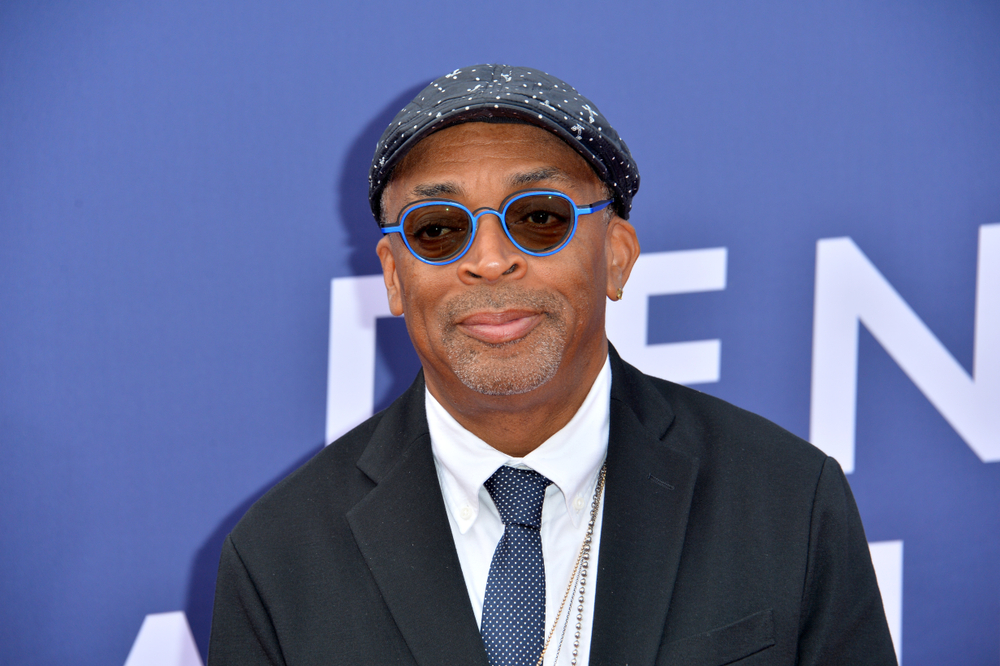
Spike Lee has spent decades creating films that challenge audiences and reshape conversations about race, identity and American culture. But when the acclaimed director considers his legacy, he points to something equally important: the students he has taught at New York University.
The filmmaker behind Malcolm X, Do the Right Thing and She’s Gotta Have It recently discussed what he wants people to remember after he’s gone. His answer surprised many who assumed the conversation would focus solely on his groundbreaking cinema.
Teaching the next generation
Lee has served as a professor of film studies and directing at NYU’s Tisch School of the Arts for three decades. Many of his former students have built successful careers in the entertainment industry, carrying forward the lessons they learned in his classroom.
The 68-year-old director recently achieved tenure at the university, a milestone that brings him visible satisfaction. The permanent position means NYU cannot terminate his employment, offering security as he continues shaping young filmmakers.
When asked about his lasting impact, Lee emphasized two distinct but interconnected achievements. His films have earned critical acclaim and influenced generations of moviegoers. His teaching has produced a new wave of directors, writers and producers who approach storytelling with fresh perspectives.
Family as foundation
Beyond his professional accomplishments, Lee has long considered his children the most meaningful part of what he leaves behind. His daughter Satchel, now 31, and son Jackson, now 28, both inherited their father’s creative drive.
More than a decade ago, Lee spoke about watching his children develop artistic talents. He expressed confidence they would pursue careers in the arts and find success on their own terms. He described them as the best legacy he and his wife Tonya could create together.
Tonya Lewis Lee, an attorney, has been married to the filmmaker since October 1993. Their partnership has provided stability throughout his demanding career, allowing him to balance directing major films with teaching responsibilities and family life.
A chance encounter
The couple’s story began at the Congressional Black Caucus Dinner in Washington in September 1992. Lee attended the event with another date but noticed Tonya across the room. Both later described experiencing an immediate, powerful connection.
As guests departed that evening, Lee spotted Tonya on an escalator going in the opposite direction. He quickly invented an excuse about forgetting a pen, reversed course and found her to ask for her number. The bold move paid off, leading to a marriage that has lasted more than 30 years.
Their relationship has produced two children and a shared commitment to arts, education and social justice. Tonya has pursued her own career in law and advocacy while supporting her husband’s dual roles as filmmaker and educator.
Recognition and reflection
Lee recently received the Career Achievement Award at the Critics Choice Celebration of Black Cinema and Television in Los Angeles. The honor recognized his extraordinary body of work across four decades and his indelible impact on popular culture.
The award arrives as Lee continues teaching at NYU with renewed commitment. His tenure ensures he can mentor students for years to come, passing along insights gained from decades navigating Hollywood as a Black filmmaker who refused to compromise his vision.
His films have tackled difficult subjects, from racial violence in Do the Right Thing to the life of Malcolm X. They have sparked debates, influenced other directors and demonstrated that commercial success does not require abandoning artistic integrity or social commentary.
As Lee looks toward the future, he sees his legacy taking multiple forms. The films will endure as cultural touchstones, studied and debated by future generations. His students will continue making movies that reflect diverse voices and perspectives. His children will build their own creative careers.
The director has spent his life telling stories that matter, both on screen and in classrooms. He has challenged audiences to confront uncomfortable truths while entertaining them with compelling narratives. And he has trained young filmmakers to do the same, ensuring his influence extends far beyond his own projects.
For Lee, being remembered means more than having his name attached to classic films. It means knowing he helped shape the artists who will define cinema’s next chapter.