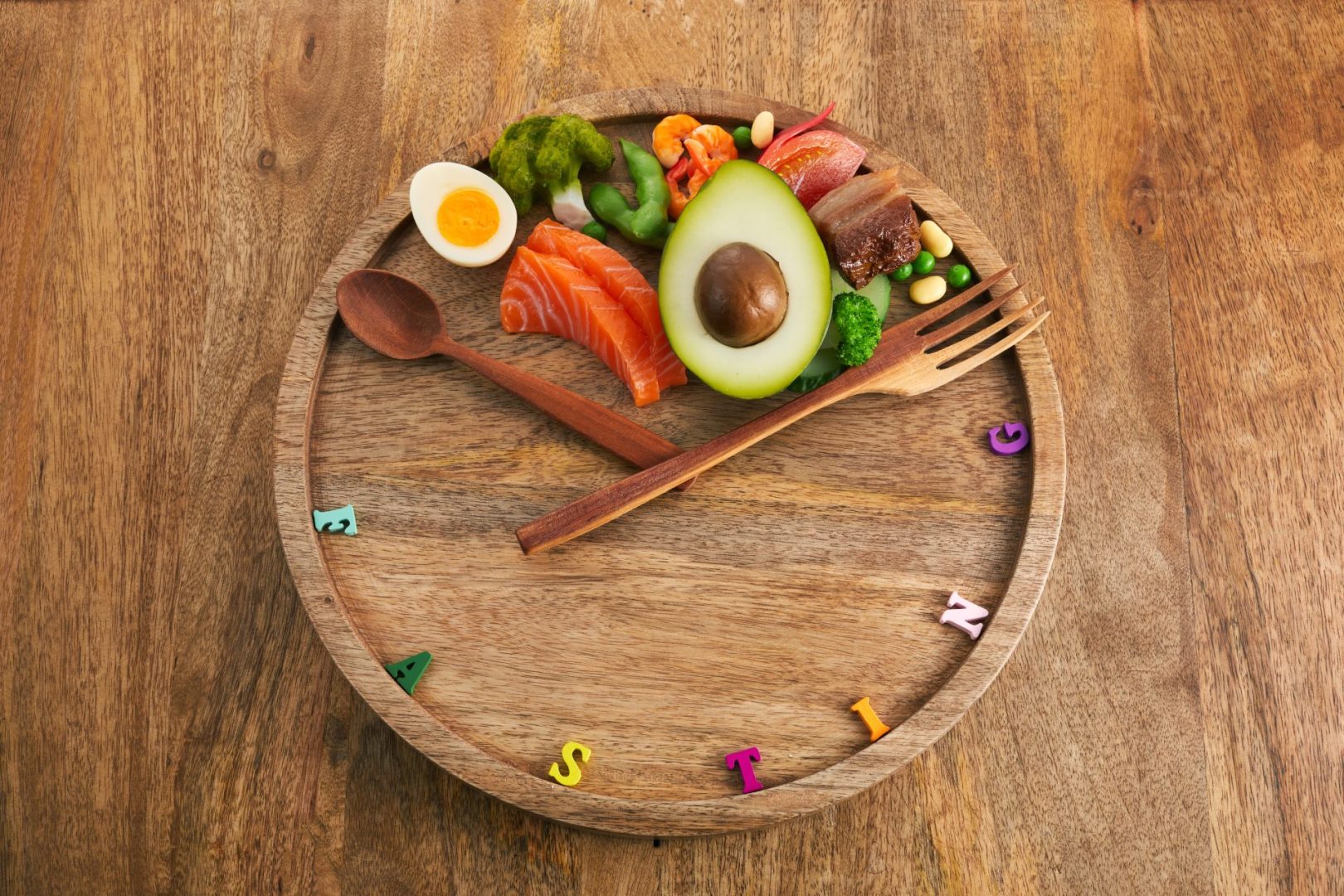
Everyone’s heard breakfast is the most important meal of the day, so naturally people eat it the moment they wake up. Roll out of bed, stumble to the kitchen, start eating before you’re even fully conscious. This seems responsible and healthy, right? Except eating breakfast too early after waking might be one of the worst things you can do for your metabolism and energy levels throughout the day.
Your body runs on circadian rhythms that control everything from hormone production to digestive efficiency. When you first wake up, cortisol is naturally elevated to help you become alert. Insulin sensitivity is also at specific levels that change throughout the morning. Eating immediately disrupts these natural patterns before your body has finished its overnight fasting processes. You’re essentially interrupting important metabolic cleanup work that happens during the transition from sleep to wakefulness.
Why eating within an hour wrecks fat burning
Your body spends the night in fat-burning mode, using stored energy since you haven’t eaten for eight or more hours. This fasted state triggers beneficial metabolic processes including autophagy and increased human growth hormone. When you eat breakfast immediately upon waking, you shut down all these processes before they’ve completed their work. You’re cutting short the very metabolic benefits that overnight fasting provides.
Cortisol levels peak naturally in the early morning to wake you up and provide energy. When you eat during this cortisol peak, you’re adding insulin to the mix at a time when your body is already mobilizing energy. This hormonal combination promotes fat storage rather than fat burning. Waiting even two hours before eating allows cortisol to decline to more normal levels where food intake doesn’t create the same fat-storing hormonal environment.
The energy crash pattern nobody connects
People who eat breakfast immediately often experience energy crashes mid-morning that they blame on not eating enough or not eating the right foods. The real problem is that their breakfast timing created an insulin spike during a period when cortisol was already elevated. This combination causes blood sugar to crash hard a few hours later, leaving them shaky, tired, and craving more food.
This pattern trains people to eat constantly throughout the morning trying to maintain energy that the early breakfast destabilized in the first place. They end up consuming more total calories while feeling worse than if they’d simply waited to eat until their body was actually ready for food. The solution isn’t eating more food earlier, it’s eating the first meal later when hormones have stabilized.
Hunger isn’t real in the first hour
Most people aren’t genuinely hungry when they first wake up. The desire to eat immediately comes from habit, not actual physiological need. Your body has plenty of stored energy from yesterday’s food and doesn’t require immediate refueling. The stomach growling or feelings of hunger in the first hour after waking are usually just habitual patterns rather than true energy deficiency.
Breaking the habit of immediate eating feels uncomfortable initially because your body expects food at the accustomed time. But this adaptation period only lasts a few days. After that, most people feel better waiting two to three hours before eating. They have more stable energy, better mental clarity, and genuinely feel hungry when they finally eat rather than forcing food down out of obligation.
What happens when you delay breakfast properly
Waiting two to three hours after waking before eating your first meal allows your body to complete its natural morning processes. Cortisol levels normalize, insulin sensitivity improves, and you enter the day having maximized overnight fat burning. When you finally eat, your body is actually ready to process food efficiently rather than dealing with conflicting hormonal signals.
Many people report feeling more energized and focused in the morning when they delay breakfast. Their mental clarity improves because they’re not dealing with the blood sugar fluctuations that early eating creates. They also tend to eat less total food throughout the day because they’re eating in response to genuine hunger rather than habit or time-based schedules.
Exceptions and individual variation matter
Some people genuinely need food earlier due to medical conditions, medication timing, or intense morning workouts. If you exercise hard first thing, you might need food sooner to support recovery. People taking certain medications with food requirements need to eat on specific schedules. The key is distinguishing between actual physiological needs and arbitrary breakfast timing based on what everyone says you should do.
Listen to your body rather than following generic advice about when breakfast should happen. If you feel genuinely better eating immediately, that’s fine. But if you’re forcing down food you don’t really want because you think you should, try waiting a few hours and see if your energy and metabolism improve.