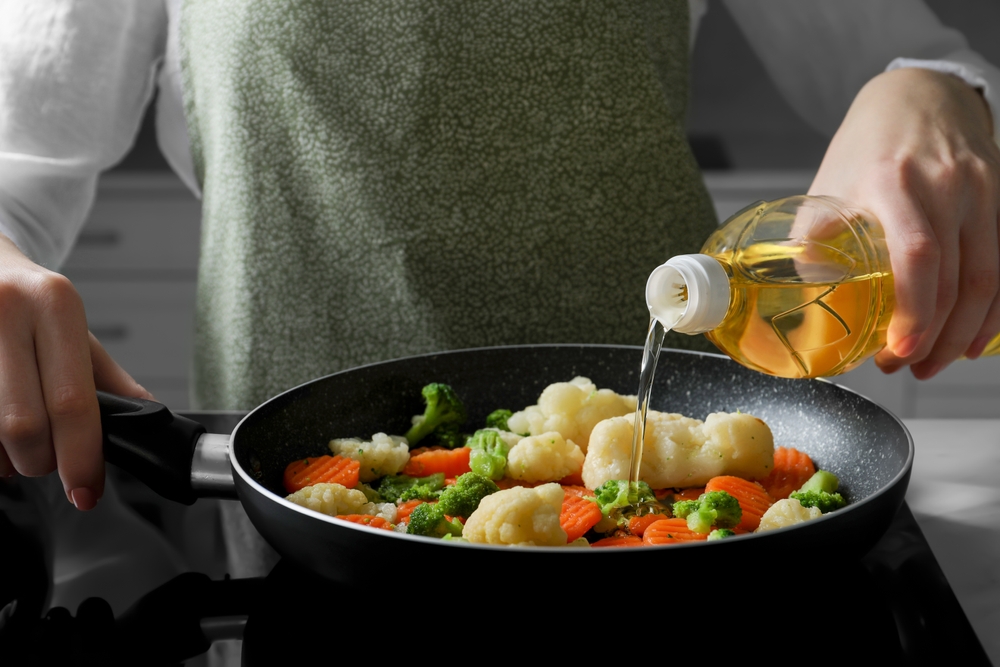
The bottles labeled heart-healthy vegetable oil lining supermarket shelves may represent one of modern nutrition’s most successful marketing deceptions. These industrially processed seed oils marketed as superior alternatives to saturated fats actually promote inflammatory processes throughout the body that exceed even sugar’s damaging effects. The omega-6 fatty acids concentrated in these oils, combined with oxidative compounds formed during processing and cooking, create a perfect storm for chronic inflammation driving virtually every modern disease.
Canola, soybean, corn, sunflower, and other seed oils dominate processed food manufacturing and restaurant cooking due to low costs and neutral flavors. Most Americans consume these oils multiple times daily without realizing it, as they hide in everything from salad dressings to bread to packaged snacks. This ubiquitous presence means avoiding seed oils requires dramatic dietary changes that most people never attempt because they don’t understand the health stakes involved.
Why vegetable oils marketed as healthy aren’t
The campaign promoting seed oils as heart-healthy alternatives to butter and lard originated from flawed research and aggressive industry marketing rather than solid nutritional science. Studies claiming benefits often compared seed oils to trans fats, the worst possible baseline that makes anything look healthy by comparison. When properly controlled studies compare seed oils to stable fats like olive oil, butter, or coconut oil, the supposed advantages vanish or reverse entirely.
The processing required to extract oils from seeds involves high heat, chemical solvents, and deodorization that creates oxidized compounds and removes natural antioxidants. The resulting product bears little resemblance to anything humans consumed throughout evolutionary history. Our bodies lack the physiological adaptations to handle these novel industrial products in the massive quantities modern diets provide.
Omega-6 to omega-3 ratio disaster
Human biology evolved with roughly equal dietary ratios of omega-6 and omega-3 fatty acids, both essential fats the body cannot manufacture. Modern Western diets contain omega-6 to omega-3 ratios exceeding 20 to 1, primarily from seed oil consumption. This extreme imbalance profoundly affects inflammation, immune function, and cellular signaling throughout the body.
Omega-6 fatty acids serve as precursors to pro-inflammatory compounds your body uses to fight infections and injuries. However, chronic excess omega-6 consumption keeps inflammatory pathways constantly activated even without actual threats to fight. Your immune system essentially operates in sustained alert mode, generating inflammatory molecules that damage healthy tissues. This chronic low-grade inflammation accelerates virtually every age-related disease from heart disease to cancer to neurodegeneration.
The omega-3 fatty acids that should balance omega-6 effects have become scarce in modern diets. Few people eat sufficient fatty fish or other omega-3 sources to counteract the overwhelming omega-6 loads from seed oils. Even people taking fish oil supplements struggle to normalize ratios when consuming typical Western diets loaded with seed oil-fried and processed foods.
The oxidation process creating toxic compounds
Polyunsaturated fats in seed oils contain multiple double bonds that make them chemically unstable and prone to oxidation. Exposure to heat, light, and air during processing, storage, and cooking generates oxidized lipids and other degradation products with documented toxic effects. These compounds promote oxidative stress, DNA damage, and inflammatory signaling throughout the body.
Heating seed oils to cooking temperatures dramatically accelerates oxidation, forming aldehydes and other reactive molecules that damage cellular structures. The very act of cooking with these oils generates compounds recognized as toxic. Frying foods in repeatedly used seed oils, common in restaurants, creates accumulating concentrations of degraded, oxidized lipids that consumers ingest with every order.
Even unopened bottles on store shelves contain oxidized compounds from processing and storage. The clear plastic bottles allowing light exposure further degrade oils before purchase. By the time these products reach dinner tables, they’ve experienced multiple oxidation events creating complex mixtures of damaged fats and toxic byproducts.
Restaurant food’s hidden seed oil problem
Dining out becomes nearly impossible while avoiding seed oils since virtually every restaurant uses them exclusively for economic reasons. That salad dressing, those french fries, the sautéed vegetables, the bread, even dishes described as grilled often get seed oil treatment. Restaurants cycle through gallons of these oils daily, frequently reusing them until they turn dark and smoking, maximizing oxidation and toxin formation.
Fast food establishments represent the worst offenders, bathing foods in seed oils that sit at frying temperatures for hours while accumulating oxidized compounds. The crispy textures and appealing flavors people crave often result from seed oils in various stages of thermal degradation. These foods deliver maximum inflammatory and oxidative damage per bite.
Which cooking oils actually reduce inflammation
Extra virgin olive oil stands as perhaps the safest conventional cooking option. Its monounsaturated fats remain relatively stable at cooking temperatures while providing polyphenols and other compounds with anti-inflammatory properties. However, even olive oil degrades at very high heat, making it best for low to medium temperature cooking.
Coconut oil and butter contain primarily saturated fats that resist oxidation effectively. Despite decades of propaganda against saturated fats, research increasingly shows these traditional fats don’t cause the cardiovascular problems once attributed to them. Their stability during cooking makes them superior choices for high-heat applications.
Avocado oil offers another heat-stable option with beneficial fat profiles. Its high smoke point allows high-temperature cooking without significant oxidation. The cost exceeds seed oils substantially, explaining why restaurants and food manufacturers avoid it despite superior properties.
The simplest approach involves minimizing cooking oils generally and obtaining dietary fats from whole food sources like nuts, seeds, avocados, fatty fish, and quality meats. These foods provide fats in their natural context with protective antioxidants and without the processing damage characterizing extracted oils.