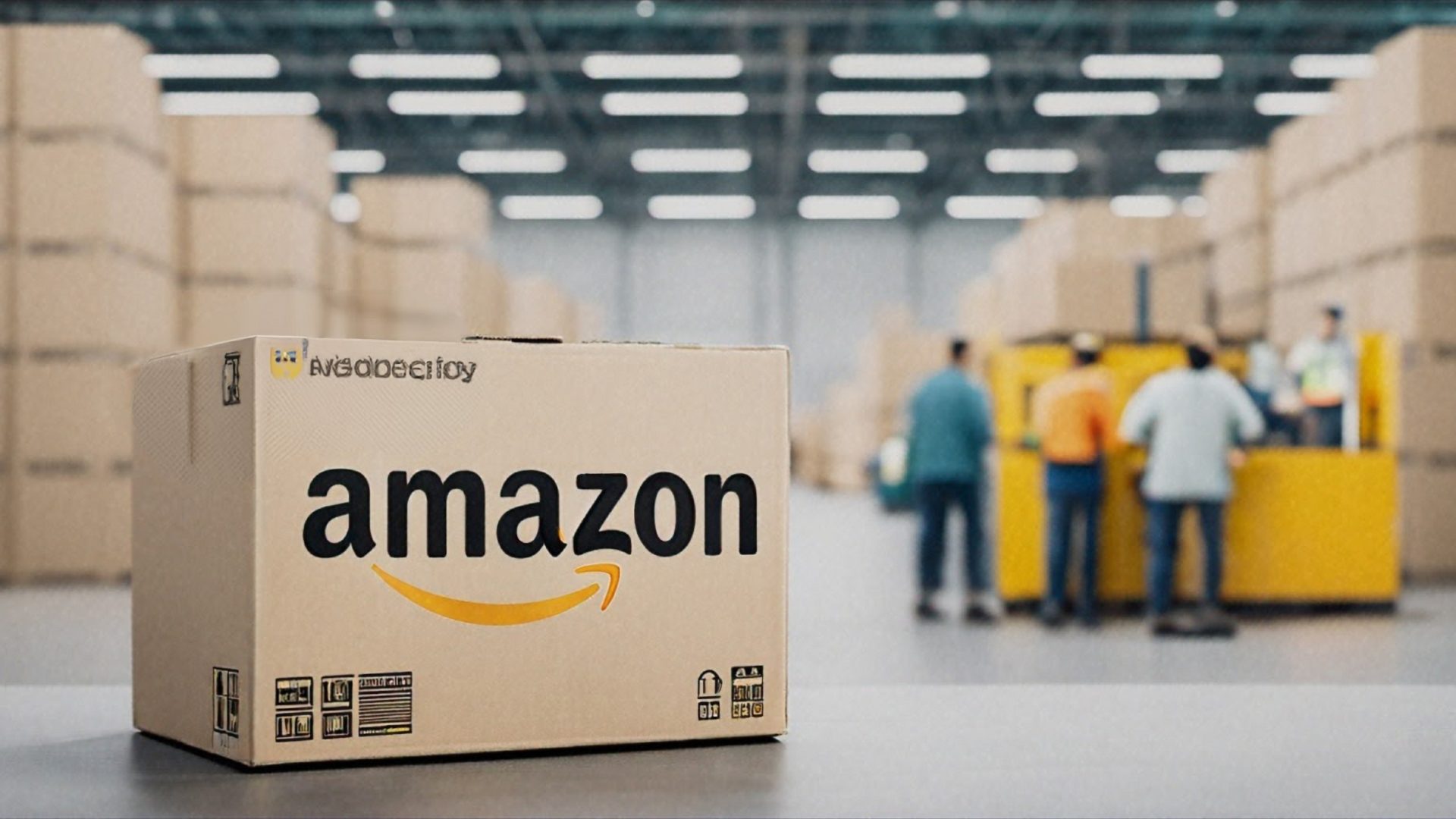
The tech giant is bringing AI infrastructure directly to corporate data centers, reviving a once abandoned approach in response to data control fears.
Amazon Web Services just unveiled a surprising throwback to computing’s past wrapped in cutting edge technology. The company announced AI Factories on Tuesday, a new offering that lets major corporations and governments run sophisticated artificial intelligence systems inside their own data centers rather than in the cloud. In essence, customers provide the physical space and electricity while AWS delivers, installs, and manages the AI infrastructure.
The move represents a fascinating reversal in an industry that spent the past decade and a half convincing businesses to abandon their on site servers and migrate everything to the cloud. Now the biggest cloud provider in the world is essentially saying that sometimes keeping things close to home makes more sense.
Why Amazon is bringing AI back on site
The driving force behind this shift centers on data sovereignty, a concern that has grown increasingly urgent for large enterprises and governments worldwide. Organizations want absolute control over their information, ensuring it never ends up in a competitor’s database or, worse, in the hands of a foreign adversary. With an on premises AI Factory, sensitive data never leaves the building, eliminating the need to transmit information to external model makers or share hardware with other entities.
Data sovereignty worries have intensified as artificial intelligence systems require ever larger volumes of information for training and operation. A healthcare company developing diagnostic AI tools, for instance, might hesitate to send patient data to a cloud provider’s servers, even with strong encryption and privacy guarantees. Similarly, government agencies handling classified information face strict regulations about where data can physically reside.
The Nvidia connection behind Amazon’s strategy
The product name itself tells an interesting story. Nvidia, the chipmaker that has become synonymous with AI computing power, already uses the term AI Factories to describe its comprehensive hardware systems. These packages include everything needed to run artificial intelligence workloads, from GPU chips to networking technology. Amazon’s version represents a collaboration between the two tech giants, combining their respective strengths.
The AWS AI Factory merges technology from both companies. Customers can choose between Nvidia’s latest Blackwell GPUs or Amazon’s newly developed Trainium3 chip for processing power. The system incorporates AWS networking, storage, databases, and security tools, all homegrown by the cloud provider. It can also connect to Amazon Bedrock, the company’s AI model selection and management service, plus AWS SageMaker AI for building and training custom models.
Microsoft already made this move
Amazon isn’t pioneering this approach alone. Microsoft revealed its own AI Factory deployment strategy in October, showcasing systems rolling out across its global data centers specifically to handle OpenAI workloads. The company emphasized how it was leveraging Nvidia AI Factory technology to construct what it calls AI Superfactories, massive state of the art facilities under construction in Wisconsin and Georgia.
Microsoft has also addressed data sovereignty concerns through localized data centers and cloud services built within specific countries. The company offers Azure Local, its own managed hardware solution that can be installed at customer locations, providing a direct competitor to Amazon’s new offering.
The ironic return of private data centers
Perhaps the most amusing aspect of this development is how artificial intelligence has prompted the world’s largest cloud providers to invest heavily in corporate private data centers and hybrid cloud solutions. This represents a philosophy the industry spent years moving away from.
A decade and a half ago, cloud computing was sold as the future precisely because it freed companies from maintaining expensive on site infrastructure. The pitch was simple and compelling: let us handle the hardware headaches while you focus on your core business. Businesses embraced the message, triggering a massive migration that transformed the technology landscape and minted several of today’s most valuable companies.
Now AI’s unique demands around data sensitivity and computational requirements are reviving interest in keeping critical systems close. The difference this time is that cloud providers aren’t resisting the trend. Instead, they’re adapting their business models to accommodate it, managing on premises systems remotely while maintaining ongoing service relationships.
The question becomes whether this represents a temporary adjustment to address specific AI concerns or signals a broader rethinking of where computing power should live.