Lawmakers have just weeks to decide on Obamacare subsidies affecting millions as AI regulation debates simmer in the background
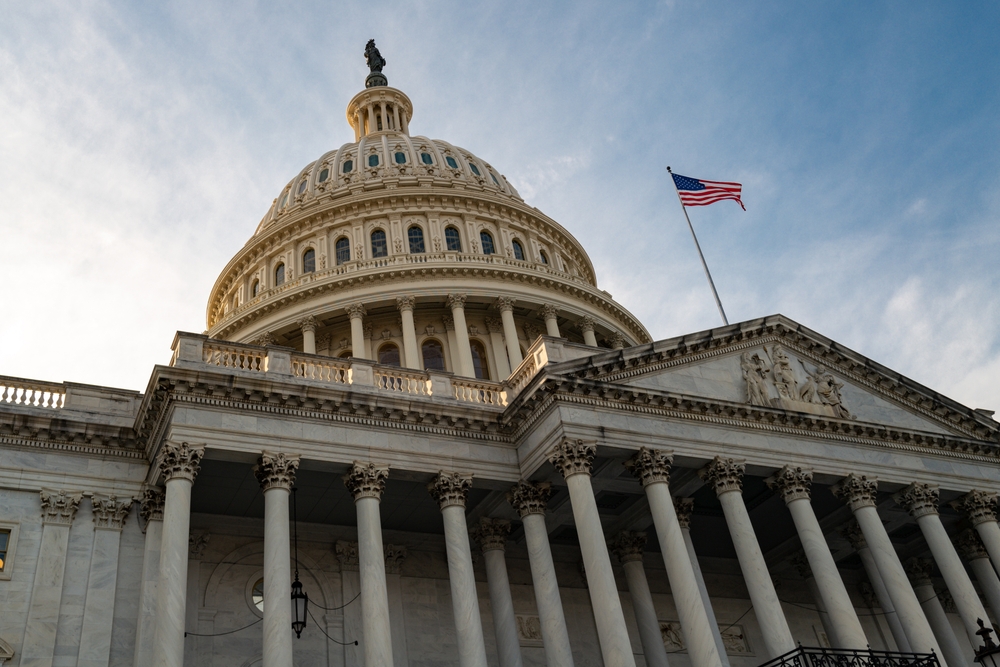
Capitol Hill is racing against both the calendar and the consequences. Members of Congress returned from Thanksgiving break Monday with a packed agenda that must be resolved before they head home for the holidays on December 18, and the stakes for millions of Americans have never been higher.
At the center of the chaos sits healthcare policy, specifically the fate of enhanced Obamacare premium subsidies that expire January 1. The outcome will directly impact how much families pay for health insurance next year, yet the path to any agreement remains murky at best. Meanwhile, Congress is also weighing limited artificial intelligence measures that could reshape how states regulate emerging technology.
The healthcare deadline nobody wants to discuss
A Senate vote on extending premium subsidies is scheduled for the coming weeks, but the exact contents of any legislation remain in flux. Lawmakers are searching for bipartisan support in an environment where finding common ground has become increasingly rare.
The issue triggered the 43 day government shutdown fight that dominated headlines earlier this fall. Democrats made healthcare their line in the sand, but the standoff ended with only a vague promise for a Senate vote before year’s end. Since then, the White House has zigzagged on its position, at one point reportedly considering a two year subsidy extension before backtracking entirely. President Trump’s current involvement in the debate remains unclear.
House Speaker Mike Johnson has repeatedly dodged questions about whether the House would even take up healthcare legislation if the Senate manages to pass something. He has acknowledged subsidies as a December policy issue while stopping short of committing to action, creating uncertainty about whether any Senate deal could actually become law.
The Senate Health Committee will hold a hearing Wednesday morning examining what it calls a broken healthcare system. Observers are watching closely to determine whether the eventual vote will be a doomed partisan exercise or something that might actually reach the president’s desk.
Healthcare equity strategist Jared Holz from Mizuho Americas recently noted on Yahoo Finance that political pressure for some sort of extension will intensify either now or when Americans see their premiums spike next year. Inaction during an election year could prove career ending for politicians facing voters angry about rising healthcare costs. He predicted at least a one or two year extension will eventually materialize, though the timeline remains uncertain.
What any deal might actually include
The policy differences separating the parties are substantial. Some lawmakers favor simply extending current subsidies without changes. Others want to add new income limits to reduce costs. Still others are pushing for deeper reforms involving health savings accounts and structural changes to insurance markets.
Democrats spent the weekend making television appearances to rally support while acknowledging success is far from guaranteed. Maryland Senator Chris Van Hollen promised his party would remain united in the coming fight but conceded that Republican opposition appears strong.
AI regulation enters the mix
Artificial intelligence policy is also in play as Congress finalizes the text of the annual National Defense Authorization Act. The massive defense bill often serves as a vehicle for unrelated provisions, and this year AI regulation could hitch a ride.
One proposal would block states from regulating artificial intelligence, an idea Trump has championed directly. He recently posted on Truth Social that state level overregulation threatens American AI competitiveness, urging Congress to include such language in the defense bill or pass separate legislation.
A similar effort earlier this year to incorporate this concept into broader legislation failed after Senate Republicans, including Tennessee’s Marsha Blackburn, opposed it.
Another measure under consideration is the GAIN AI Act, which would prioritize American companies over rivals from countries like China when acquiring advanced AI chips. Chip manufacturers including Nvidia have registered opposition, arguing it would restrict global competition for cutting edge processors.
Nvidia CEO Jensen Huang plans to visit Washington Wednesday for an event on maintaining American AI leadership. He will also lobby Capitol Hill directly against including the GAIN AI Act in any final legislation, according to reports.
Beyond healthcare and technology
The healthcare and AI debates represent just part of Congress’s packed December schedule. Lawmakers are also launching inquiries into Trump administration airstrikes in Latin America and considering legislation that could fundamentally reshape college sports.
All of it serves as prelude to 2026, when another government shutdown deadline arrives January 30. The cycle of crisis governance shows no signs of slowing.