The basketball icon’s shocking departure traces back to the brand’s failed pursuit of the WNBA sensation—and what it reveals about the future of athletic endorsements.
The sports endorsement world witnessed a seismic shift when Stephen Curry severed ties with Under Armour, the brand he had transformed into a basketball powerhouse over nearly a decade. What initially appeared as an amicable parting between athlete and sponsor now reveals a more complicated narrative—one centered around missed opportunities and the meteoric rise of women’s basketball.
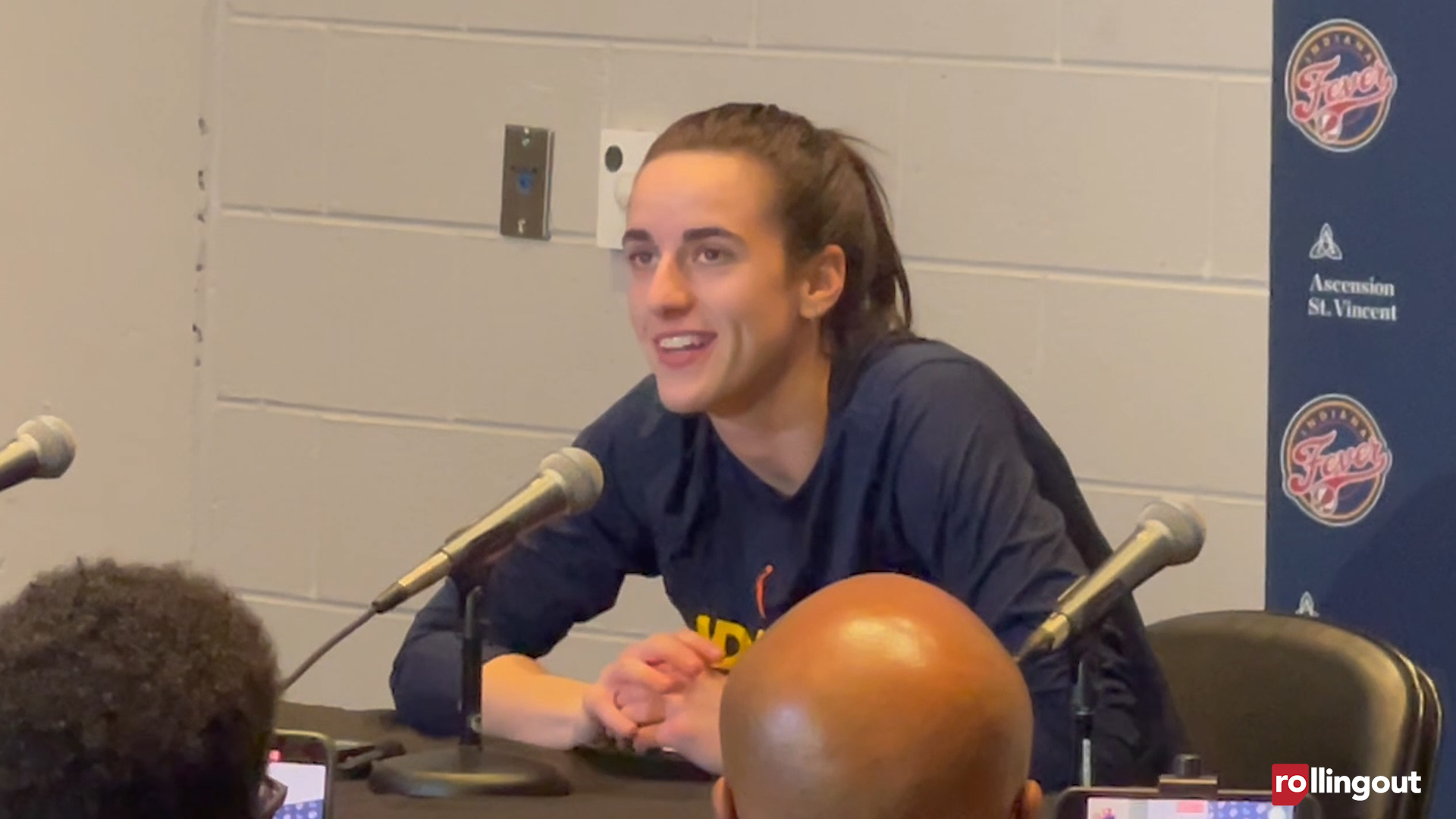
At the heart of this rupture lies Caitlin Clark, the Indiana Fever guard who has redefined what it means to be a marketable athlete in women’s sports. The connection between Curry’s exit and Clark’s endorsement saga offers a glimpse into how brands navigate the evolving landscape of basketball stardom.
The Pitch That Changed Everything
Under Armour’s aggressive pursuit of Clark represented more than just another endorsement deal. For the Baltimore-based athletic company, securing the most electrifying player in women’s basketball would have provided both a marketing coup and a natural succession plan for their basketball division. The strategy seemed straightforward: transition from one generational talent to another, maintaining relevance in an increasingly competitive market.
But Nike, the industry behemoth that once fumbled its relationship with Curry years ago, wasn’t about to let history repeat itself. The Swoosh came prepared with a comprehensive package that ultimately outpaced Under Armour’s offer in total value. Bloomberg News reported that this financial gap proved insurmountable, despite Under Armour’s strategic vision of pairing Clark with Curry under the same brand umbrella.
The loss didn’t just represent a missed business opportunity—it struck a personal chord with Curry. Sources describe the outcome as a “sore point” for the four-time NBA champion, who had envisioned a legacy extension through Clark’s partnership with the brand he had helped elevate.
A Vision Unfulfilled
The proposed arrangement held poetic symmetry. Curry, widely regarded as the greatest shooter in basketball history, would have effectively mentored Clark within the Under Armour ecosystem before eventually passing the torch. Their complementary playing styles—both revolutionizing their respective leagues through unprecedented shooting range and court vision—would have created compelling marketing narratives for years to come.
Clark’s influence extends far beyond statistics. She has generated unprecedented viewership numbers, sold out arenas across the country, and sparked mainstream interest in the WNBA at levels the league has pursued for decades. Her commercial appeal rivals that of any athlete in team sports, regardless of gender, making her endorsement among the most coveted in the industry.
Under Armour’s inability to secure that partnership left the company in a precarious position: losing their marquee basketball ambassador while simultaneously failing to acquire his intended successor. The double blow has forced the brand to reconsider its basketball strategy entirely.
Curry’s Next Chapter Remains Unwritten
Since departing Under Armour, Curry has been spotted wearing various footwear brands during pregame warmups and even during games—an unusual sight for an athlete of his stature who had maintained unwavering brand loyalty for nearly a decade. This experimentation phase suggests he’s evaluating options carefully rather than rushing into another long-term commitment.
Nike naturally emerges as a potential destination, especially given their success in securing Clark. The circular irony wouldn’t be lost on anyone: Nike’s botched initial presentation to Curry years ago—famously mispronouncing his name and showing slides apparently intended for Kevin Durant—drove him to Under Armour in the first place. Whether the brand has learned from those mistakes remains an open question.
Alternative scenarios include partnerships with emerging athletic companies seeking to disrupt the established hierarchy. Brands like New Balance, which recently signed Kawhi Leonard to significant acclaim, or even newer entrants in the performance basketball space, might view Curry as the centerpiece for building credibility in the basketball market.
The Broader Implications
This situation illuminates shifting dynamics within athletic endorsements. Clark‘s leverage in negotiations reflects the growing commercial viability of women’s sports, where top athletes now command deals previously reserved for their male counterparts. Her choice ultimately influenced decisions being made by one of men’s basketball’s most important figures—a reversal of traditional power structures in sports marketing.
For Under Armour, the setback compounds existing challenges. The company has struggled to maintain its basketball market share against Nike and Adidas, and losing Curry removes their most recognizable asset in the sport. Without a clear basketball identity moving forward, the brand faces difficult decisions about resource allocation and competitive positioning.
As Curry deliberates his next move, the industry watches closely. His eventual decision will reverberate through basketball culture, influence sneaker market dynamics, and potentially reshape brand hierarchies. Whatever he chooses, the story behind his departure serves as a reminder that in modern sports business, even the most established partnerships can unravel when opportunities slip away.
Source: Sporting News