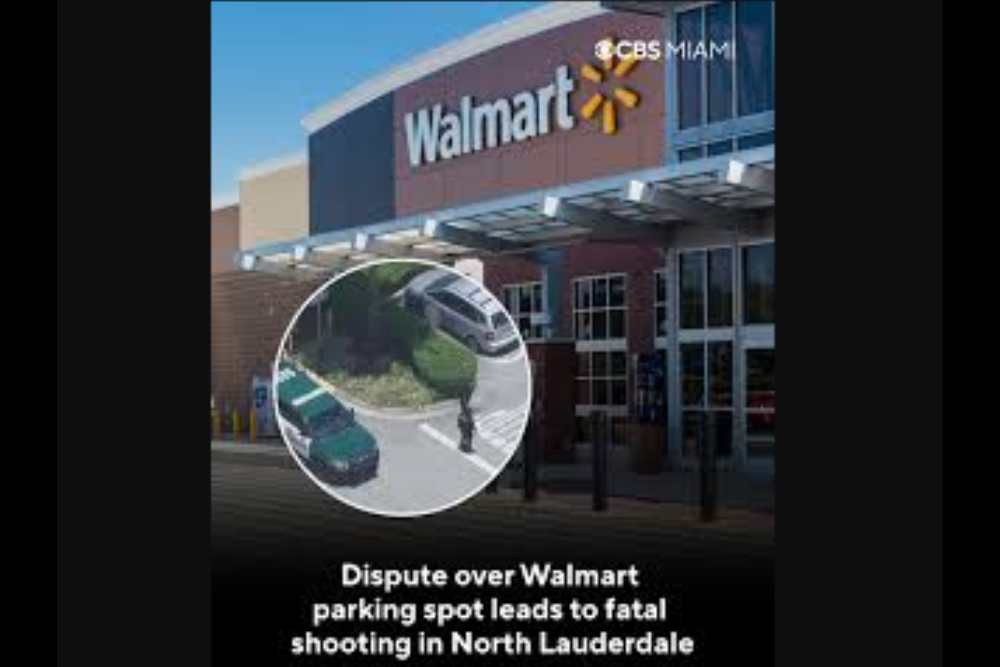
A fatal confrontation outside a Florida Walmart has renewed debate over self defense laws.
A fatal confrontation outside a Walmart in Broward County, Florida, has reignited a national conversation about self defense, race and the way high profile criminal cases are portrayed in public. The shooting, which followed an argument over a parking space, has drawn attention not only because of the lives involved but also because of the broader legal and social questions surrounding the case.
Authorities said a Black woman fatally shot 62 year old Bart Diguglielmo after an encounter that escalated in the parking lot. Investigators have said the woman told detectives she feared for her safety as Diguglielmo continued moving toward her during the dispute. Witness accounts reported that she backed away while warning that she was armed before firing the fatal shot.
The investigation remains central to determining whether the shooting meets the legal standards for self defense under Florida law. As with any case involving deadly force, investigators are expected to examine witness testimony, surveillance footage and physical evidence before reaching conclusions about criminal liability.
Florida law remains at the center
Florida’s Stand Your Ground statute allows people to use deadly force if they reasonably believe it is necessary to prevent imminent death or great bodily harm. The law also removes the duty to retreat when a person is lawfully present at the location where the confrontation occurs.
Legal analysts have long noted that each case depends heavily on its specific facts. The actions of everyone involved before the shooting, the level of perceived threat and available evidence often determine whether prosecutors pursue charges or conclude that the use of force was legally justified.
Although the statute has existed for years, its application continues to generate public debate. Critics argue that outcomes can appear inconsistent across cases, while supporters maintain that the law protects people who face immediate danger.
Florida and the debate over race
The case has also renewed discussion about whether race influences how self defense claims are viewed by the public and the justice system. Civil rights advocates have argued that Black defendants have sometimes faced greater skepticism when asserting they acted out of fear, while similar claims by white defendants have received different treatment.
Researchers and legal experts continue to debate the extent of those disparities. While every investigation turns on its own evidence, questions about equal treatment under the law remain part of broader conversations surrounding criminal justice in the United States.
Past cases are frequently referenced during these discussions, including those involving Marissa Alexander and George Zimmerman. Those cases became national flashpoints because they highlighted disagreements over self defense laws, prosecutorial discretion and perceptions of race in the courtroom.
Media coverage shapes public opinion
News coverage has become another point of discussion following the shooting. Some observers argue that headlines often focus on the background or profession of victims while offering limited context about the moments leading to a violent encounter. Others caution that early reporting is frequently based on incomplete information as investigations continue.
Media scholars have long argued that framing can influence public understanding before legal proceedings have concluded. The language used in headlines and television coverage may affect how audiences interpret responsibility, even when key facts remain under review.
Many advocates say independent and community based journalism plays an important role by providing additional context that larger news organizations may overlook. They argue that broader perspectives can help audiences better understand the social and historical issues connected to individual cases.
A case that reaches beyond one encounter
The fatal confrontation has become more than a criminal investigation. It now sits at the intersection of self defense law, racial equity and public perception. Whatever legal outcome emerges, the case is expected to remain part of a larger debate over how Americans understand fear, accountability and justice.
As investigators continue reviewing the evidence, the focus remains on establishing exactly what happened during the confrontation. The answers will matter not only for those directly affected but also for ongoing discussions about how similar cases are interpreted in courtrooms and in the public eye.