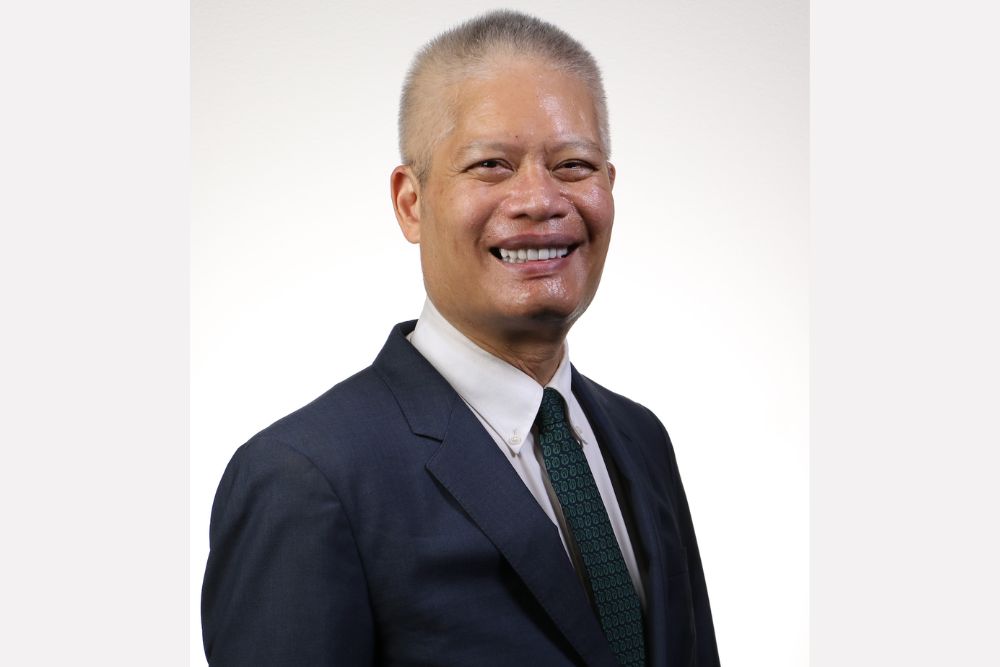
Dr. Marshall Chin on the preventable diabetes crisis devastating Black communities
Dr. Marshall Chin has spent his career treating patients on Chicago’s South Side, where he has watched a preventable disease repeatedly cause irreversible harm. He said type 2 diabetes disproportionately affects Black Americans in ways that trace directly back to barriers in food access, insurance, and consistent care.
“Type 2 diabetes has a strong relationship with obesity, and obesity is directly tied to diet and food access,” Chin said. “When someone can only afford fast food and processed options, their risk for obesity and diabetes increases.”
Chin said the connection between food access and disease outcomes is not a matter of personal choice but a structural reality shaped by where people live and what they can afford.
A hospital stretch that stayed with him
Chin recalled a period in his career that crystallized the human cost of these barriers. During one stretch, he treated four Black men in their 40s, all admitted with end-stage diabetes complications requiring amputations.
“All four had experienced barriers to consistent care,” Chin said. “Without insurance, without access, without the ability to keep blood pressure and blood sugar under control, the disease progresses silently until the damage is done.”
Chin said the pattern reflects a broader tendency among men to delay seeking care until a condition becomes critical, a behavior that compounds already significant structural risk.
“Men specifically tend to avoid the doctor until things are critical, which compounds the risk,” Chin said.
The cost barrier at every stage of care
Chin said managing diabetes effectively requires consistent access to several resources that many Black patients simply cannot afford. Each element of proper management, from diet to medication to routine visits, carries a financial burden.
“Medications for diabetes, high blood pressure, and cholesterol can become extremely expensive,” Chin said. “Without insurance, even basic supplies like glucose monitors can be out of reach.”
Chin said the current healthcare system tolerates a level of inaccessibility that should not be acceptable in a country with the resources to address it.
“The system as currently structured accepts that millions of people cannot afford the care they need, which is morally unacceptable,” Chin said.
Misaligned incentives make prevention harder
Chin pointed to the broader financial structure of American healthcare as part of the problem, noting that the system rewards treatment over prevention. Hospitalizations, procedures, and surgeries generate the most revenue, while primary care and prevention remain chronically underfunded.
“Prevention, primary care, and public health are chronically underpaid,” Chin said. “That means the financial incentives push healthcare systems toward treating the insured and the affluent rather than serving everyone.”
Chin said the growing presence of private equity in healthcare, with its focus on shareholder returns, has only deepened that misalignment, pulling resources further away from preventive care.
A call to close the gap before it is too late
Chin said the diabetes crisis facing Black Americans is not inevitable, but reversing it requires addressing the structural barriers that keep patients from consistent care long before complications set in. He said the country has both the knowledge and the tools to prevent the outcomes he has seen firsthand.
“We need to do better as a country in putting people in a position where they can actually succeed in preventing diabetes and managing it when it occurs,” Chin said.
Chin said that shift requires policy change, better-aligned healthcare incentives, and sustained attention to the everyday barriers, like food access and insurance coverage, that determine whether a diagnosis becomes a manageable condition or a life-altering emergency.
The ideas expressed in this interview are those of Dr. Chin and do not necessarily represent the views or policies of his employer or other organizations with which he is associated.