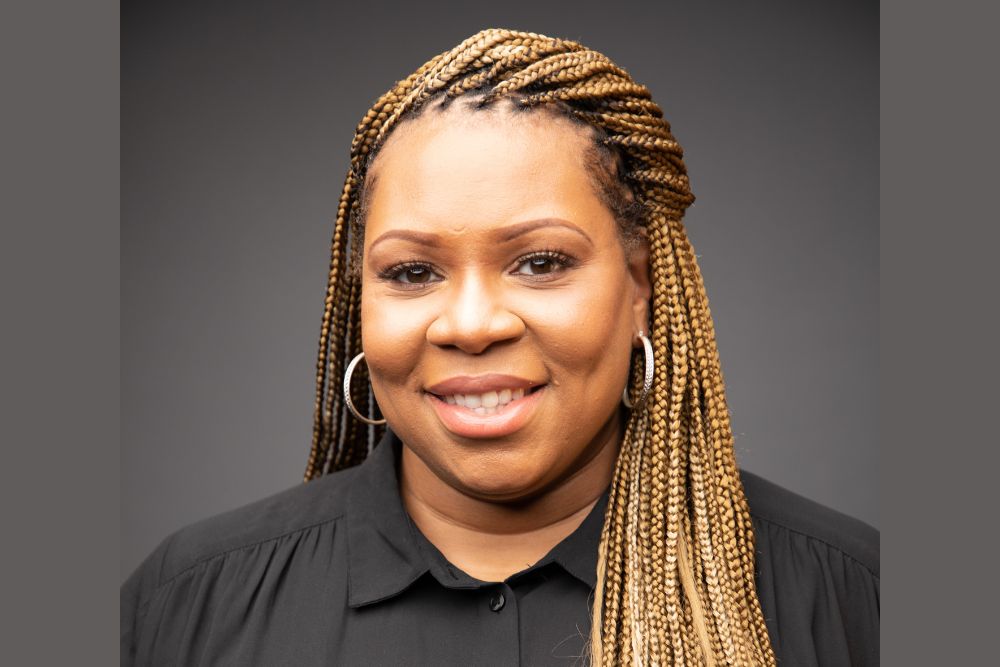
Dr. Lena Green explains cumulative trauma and a strengths-based path to healing
Dr. Lena Green exposes the hidden cumulative trauma driving demand
Dr. Lena Green has watched demand for mental health services climb steadily in recent years, driven by what she describes as cumulative trauma, the buildup of adverse experiences over a lifetime rather than a single defining event.
“Trauma is rarely a single isolated event,” Green said. “For many individuals, it is the accumulation of multiple adverse experiences throughout the course of a lifetime.”
Green said the post-pandemic landscape has intensified this pattern at Hope Center Harlem.
Grief, anxiety, and substance use on the rise
Green said the clinic has seen a clear shift in the primary reasons people seek care.
“We continue to see elevated rates of grief and loss, depression and anxiety among those seeking mental health services,” Green said. “Concurrently, increased substance use including alcohol as a coping mechanism, has contributed to the requests for addiction-related services.”
Green said the clinic’s response starts with equipping people with language and education about their own symptoms.
“Our response is to make sure people have the language to understand what is happening to them, to give them education around their symptoms and to give them voice and choice in their own healing through person-centered care,” Green said.
A strengths-based approach to healing
Green said Hope Center Harlem deliberately shifts away from a deficit-focused model of therapy.
“A strengths-based approach shifts clinical attention from symptoms, failures and deficits to focusing on resilience, skills and values,” Green said.
Green said this begins by acknowledging how someone has already been coping with their circumstances, then building outward from that foundation.
Reframing the clinician’s role
Green said the therapeutic relationship at Hope Center is intentionally structured to avoid positioning the clinician as the sole authority in the room.
“You, as the client, are the expert on your own life,” Green said. “Therapy is a collaborative partnership where together we examine lived experience and focus on what would be most meaningful and effective to support an individual to live a more fulfilling life.”
Green said this approach extends to the language used throughout the clinic, where people receiving services are referred to as innovators rather than patients or clients.
Knowing when hardship becomes a signal to seek help
Green said families often struggle to distinguish between normal emotional lows and a sustained condition that requires professional support.
“It is expected to feel sad after losing someone you love,” Green said. “But if that sadness persists for an extended period of time, lasting for years and impacting on your daily functioning, such as work, relationship and self-care, that is a signal to seek professional help.”
Green said people do not need to wait until they reach a crisis point to seek support.
“You are allowed to seek support before things fall apart,” Green said. “In fact, that is often when it is most effective.”