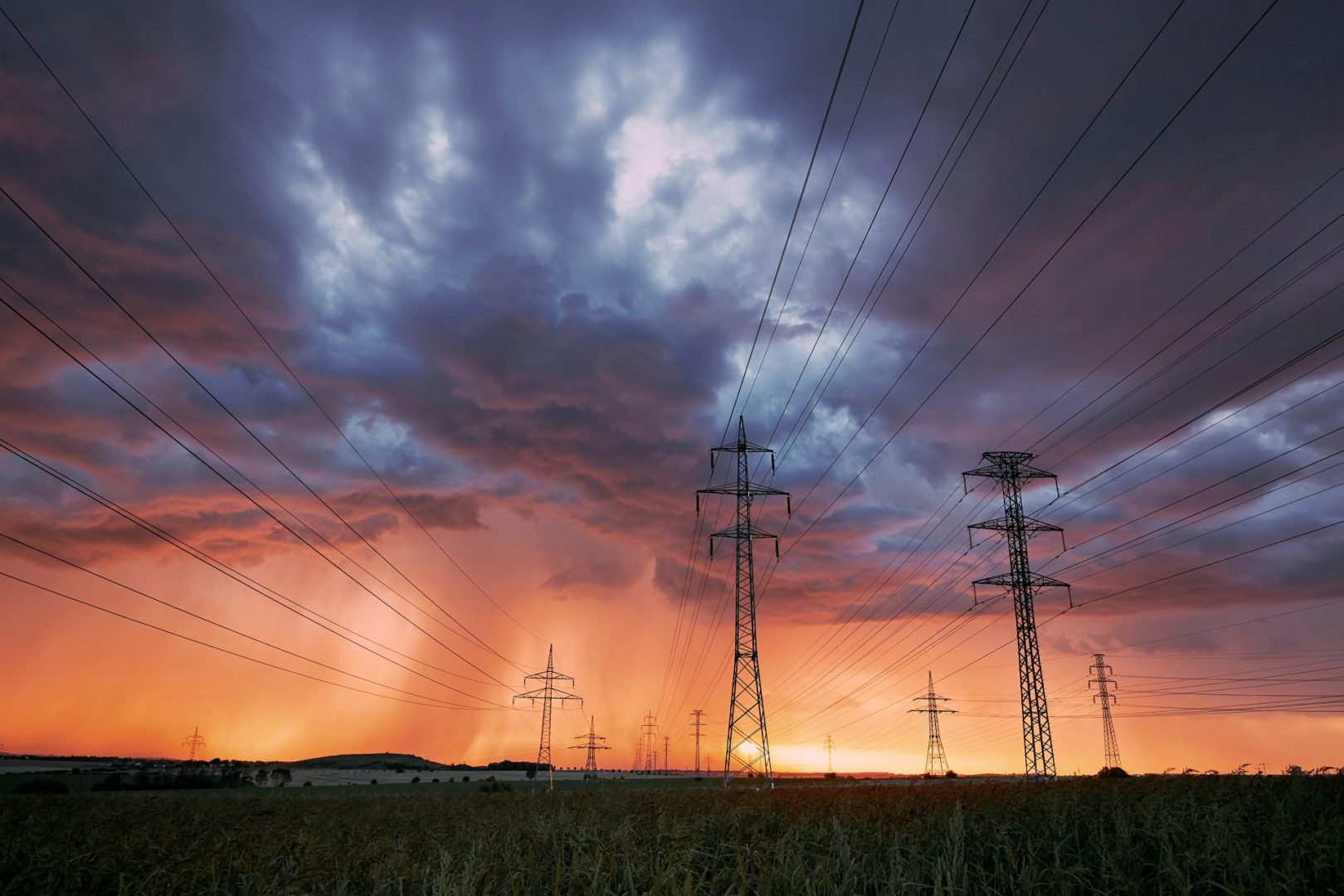
Western South Dakota and portions of Wyoming are experiencing multiple power outages Thursday afternoon, creating potentially hazardous conditions for residents as traffic signals and streetlights go dark across the region. Officials in Rapid City are urging drivers to exercise extreme caution, particularly at intersections where traffic control systems have failed.
The outages appear to affect a broad swath of the region, though authorities are still working to determine the full extent of the blackouts and what caused them. As information continues to develop, local officials are prioritizing public safety by advising residents to avoid unnecessary travel until power can be restored.
How drivers should navigate dark intersections
When traffic lights stop working due to power loss, intersections become significantly more dangerous as the usual flow of traffic gets disrupted. Rapid City officials are reminding motorists to treat any intersection with non-functioning signals as a four-way stop, regardless of which direction they are traveling from.
Under four-way stop protocols, drivers must come to a complete stop before proceeding through the intersection. The vehicle that arrives first has the right of way, and if multiple cars arrive simultaneously, the driver on the right goes first. These rules help maintain order and prevent accidents when the usual traffic control systems are unavailable.
However, not all drivers remember or follow these protocols correctly, which creates additional risk. Some motorists may incorrectly assume they have the right of way, while others might hesitate too long, creating confusion about who should proceed. This uncertainty makes already dangerous intersections even more treacherous during widespread outages.
Why officials want people to stay home
The advice to stay in place unless travel is absolutely necessary reflects the serious safety concerns surrounding the outages. Without functioning traffic signals across multiple communities, the risk of intersection collisions increases dramatically. Emergency response teams may already be stretched thin dealing with various outage-related issues, meaning help could take longer to arrive if accidents occur.
Power outages also affect more than just traffic lights. Streetlights that would normally illuminate roads after dark go out, making visibility more challenging for drivers. Businesses lose the ability to operate normally, and homes lose heating, cooling and the ability to keep food fresh. Gas stations may be unable to pump fuel, and stores cannot process electronic payments.
For residents with medical equipment that requires electricity, power loss can quickly become a life-threatening emergency. Those individuals need to implement their backup plans immediately or seek assistance from emergency services if they do not have adequate alternatives in place.
What residents should do during extended outages
People affected by the blackouts should take several precautions to stay safe until power returns. Avoid opening refrigerators and freezers unnecessarily, as this allows cold air to escape and reduces how long food will remain safe to eat. A full freezer can keep food frozen for about 48 hours if left unopened, while a half-full freezer maintains safe temperatures for roughly 24 hours.
Never use generators, grills or other fuel-burning equipment indoors, as these devices produce carbon monoxide that can quickly reach deadly levels in enclosed spaces. If using a generator, place it outside at least 20 feet away from windows, doors and vents to prevent exhaust from entering the home.
Unplug sensitive electronics and appliances to protect them from potential power surges when electricity is restored. Leave one light switched on so residents will know immediately when power returns. Charge cell phones in vehicles if needed, but never run a car in an enclosed garage due to carbon monoxide risks.
Questions about the cause remain unanswered
As of Thursday afternoon, officials had not released information about what triggered the widespread outages or how long repairs might take. Power loss affecting such a large geographic area could result from various causes including severe weather, equipment failure at generation or transmission facilities, or damage to critical infrastructure.
Utility companies typically work to restore power to critical facilities like hospitals first, followed by repairs that will bring the largest number of customers back online most quickly. This means some areas may see power return relatively soon while others could face extended waits depending on where they fall in the restoration priority system.
Residents should monitor local news and official social media channels for updates about restoration efforts and any new safety information. Those with specific concerns about their service should contact their utility provider directly if possible, though call volumes during widespread outages can make getting through difficult.
Source: This article is based on reporting from KOTA Television in Rapid City, South Dakota.