High drink prices, costly hotels and maximum mosquito risk drove SoFi Stadium to the bottom
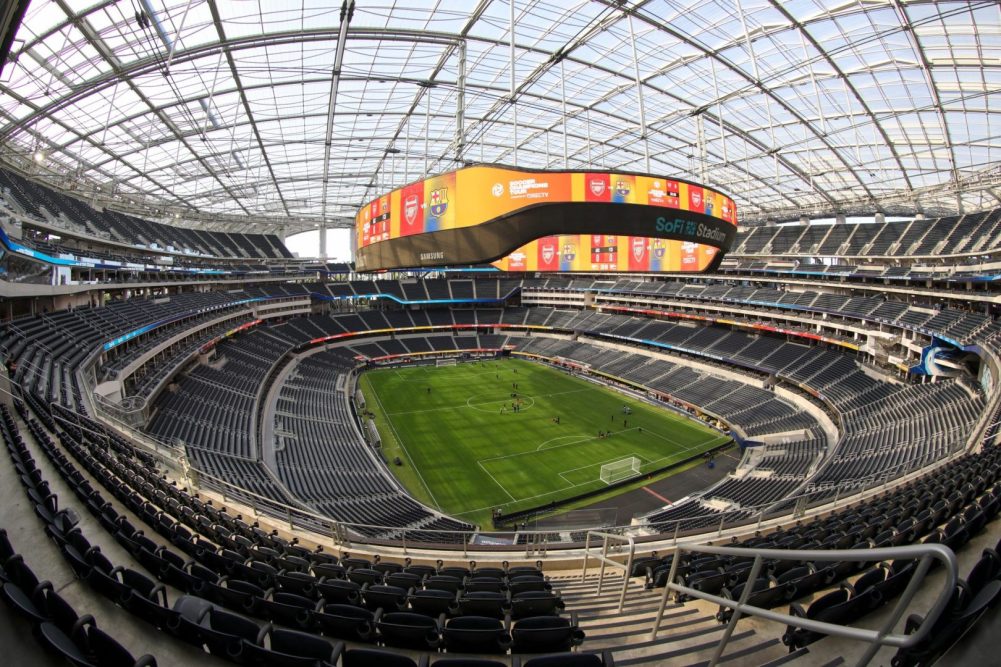
With the 2026 FIFA World Cup now fully underway across North America, a new study has delivered an uncomfortable verdict for one of the tournament’s most high-profile venues. SoFi Stadium in Los Angeles, one of the most architecturally celebrated sports facilities in the United States, has ranked dead last in a fan experience study examining all U.S. World Cup host venues. The assessment, conducted by SeatPick, gave the stadium a score of just 5.82 out of 10, placing it below every other American venue selected to host matches at this year’s tournament.
3 major factors dragged SoFi Stadium to the bottom
The study identified a combination of factors that collectively pushed SoFi Stadium to the foot of the rankings.
The first was the cost of drinks inside the venue, with prices described as significantly higher than those found at competing stadiums. For fans already spending considerable amounts on tickets, travel and accommodation, elevated in-stadium drink costs add meaningfully to the overall financial burden of attending a match.
The second was the cost of hotels in the surrounding Los Angeles area, which ranked among the most expensive of any World Cup host city. Fans traveling from out of state or internationally face a considerably steeper bill when choosing Los Angeles as their base compared to other tournament cities.
The third and perhaps most unusual factor was a maximum mosquito risk rating assigned to the venue. While not a traditional metric in sports venue assessments, the outdoor conditions surrounding SoFi Stadium apparently scored poorly enough on this measure to further drag down its overall fan experience score.
Gillette Stadium sits at the opposite end of the table
While SoFi Stadium found itself at the bottom of the rankings, Gillette Stadium in Massachusetts claimed the top position with a score of 8.08 out of 10. The New England venue benefited from notably cheaper beer prices compared to its Los Angeles counterpart, as well as a low mosquito activity rating that contributed positively to its overall score. The contrast between the two venues illustrates how a combination of cost of living, climate and stadium environment can produce dramatically different fan experiences within the same tournament.
A reminder that prestige does not always equal comfort
SoFi Stadium opened in 2020 and quickly established itself as one of the premier stadium facilities in American sports, serving as home to both the Los Angeles Rams and the Los Angeles Chargers of the NFL. Its selection as a World Cup venue was widely celebrated, and its capacity and infrastructure made it a natural fit for the tournament’s biggest matches.
However, the fan experience study serves as a reminder that architectural grandeur and logistical quality do not automatically translate into an affordable or comfortable experience for the average supporter. The high cost of living that defines Los Angeles as a city does not disappear when a global sporting event arrives, and for many international and domestic fans attending on a budget, that financial reality shapes the entire experience around the football itself.
As the World Cup progresses and more fans cycle through the various host venues, the gap between the most and least affordable stadium experiences is likely to remain a topic of conversation throughout the tournament.
Source: SeatPick fan experience study, via Total News and AOL