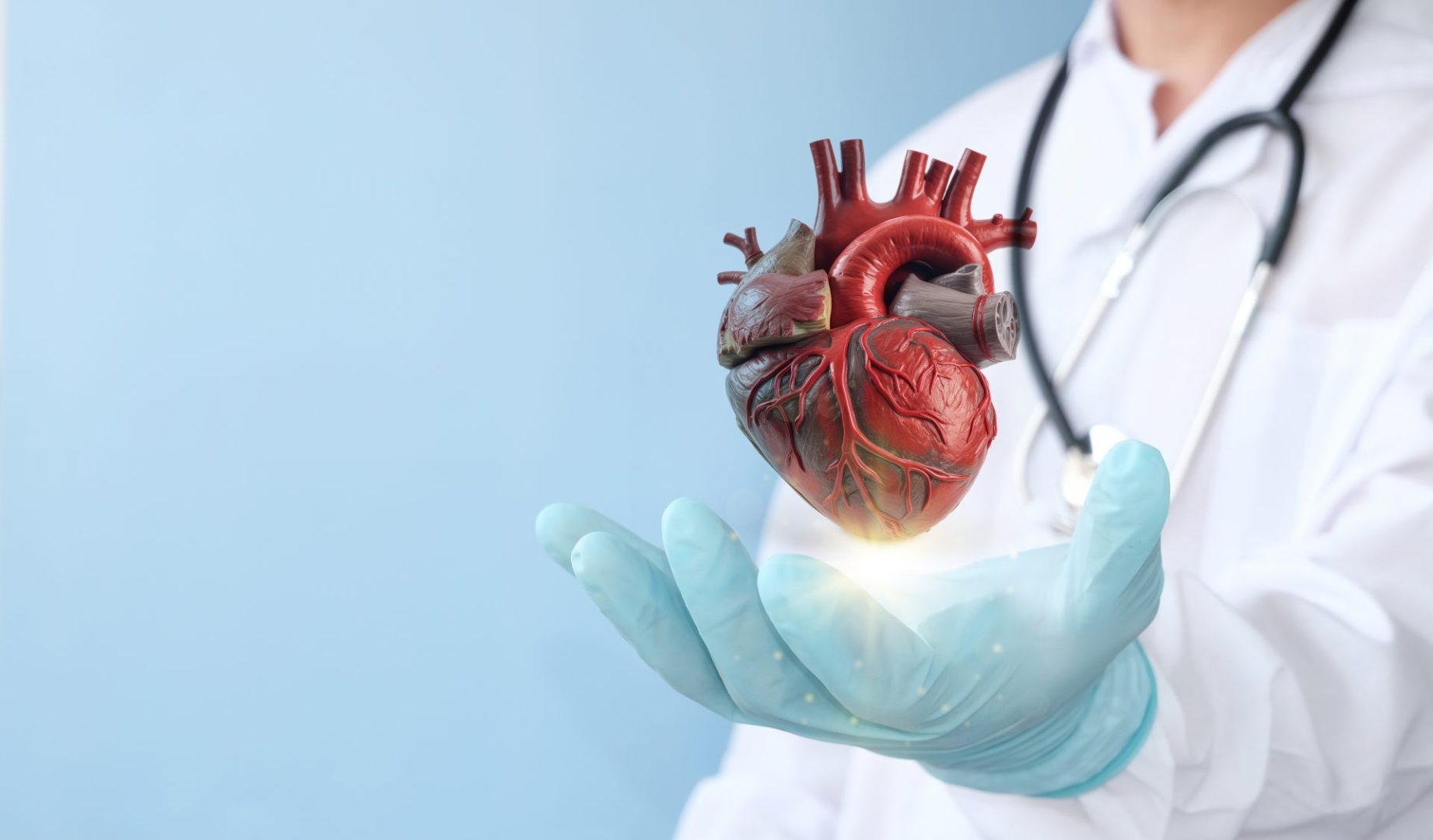
A cardiologist explains the overlooked connection between tiredness and early cardiovascular disease
Fatigue is not the first thing most people connect to heart disease. The more familiar warning signs tend to dominate the conversation, a tight feeling in the chest, sudden dizziness or a sharp pain radiating down the arm. Those symptoms are real and they matter, but they are not the whole picture. According to cardiovascular specialists, one of the earliest signs of heart disease is something far more ordinary, and far easier to dismiss.
Persistent fatigue, particularly the kind that is new, unexplained or comes with a noticeable drop in physical stamina, can be an early indicator that the heart is not functioning as efficiently as it should. The problem is that tiredness is so common and so easily attributed to other causes that most people never connect it to their cardiovascular health until more serious symptoms appear.
Why the heart and fatigue are more connected than most people think
The heart’s core function is to deliver oxygen-rich blood to every organ and tissue in the body. When that process becomes inefficient, the body starts rationing its resources. The result is a kind of persistent, creeping exhaustion that does not respond to rest the way normal tiredness does. Patients often describe it as a gradual decline in their ability to keep up with activities that once felt completely routine.
This kind of fatigue tends to worsen slowly over time, which makes it even harder to identify. Because it does not arrive suddenly, people adjust to it incrementally, often assuming they are simply getting older or dealing with stress. By the time the fatigue becomes undeniable, other symptoms may already be developing alongside it.
Research has shown that fatigue is widely reported among people living with heart failure, affecting roughly half of both men and women in studied populations. Despite how common it is, it remains one of the most underappreciated symptoms in cardiovascular medicine precisely because it feels so nonspecific.
The first thing a cardiologist checks
When a patient comes in complaining of persistent tiredness, one of the first follow-up questions a cardiologist is likely to ask is about breathing. Specifically, whether the patient gets winded doing things that used to feel easy, like climbing a flight of stairs, walking across a parking lot or carrying groceries from the car.
Shortness of breath during previously manageable physical activity is a significant clinical signal. It suggests the heart and lungs are struggling to meet the body’s demands during exertion, and when it appears alongside fatigue, the combination becomes much harder to explain away as lifestyle-related. Patients often do not notice subtle changes in their breathing on their own, which is why asking the right questions early can make a meaningful difference in catching problems before they escalate.
How to tell if your fatigue is worth worrying about
Not every bout of tiredness points to a heart problem. But cardiovascular-related fatigue has some distinguishing characteristics that set it apart from the ordinary kind. It tends to be disproportionate to how much sleep a person is getting. It often comes with a measurable decline in physical performance rather than just a general feeling of low energy. And it typically does not improve with rest the way fatigue from overwork or poor sleep usually does.
Other symptoms that can accompany cardiac fatigue and warrant a conversation with a physician include leg or ankle swelling, heart palpitations, dizziness, chest discomfort and difficulty breathing when lying flat. Women in particular are more likely to experience these subtler, atypical presentations of heart disease rather than the classic symptoms most people expect.
If fatigue feels persistent, unexplained and accompanied by any decline in physical capacity, a medical evaluation is worth pursuing sooner rather than later.