Warning signs, smart limits, and how to enjoy the tournament without losing control
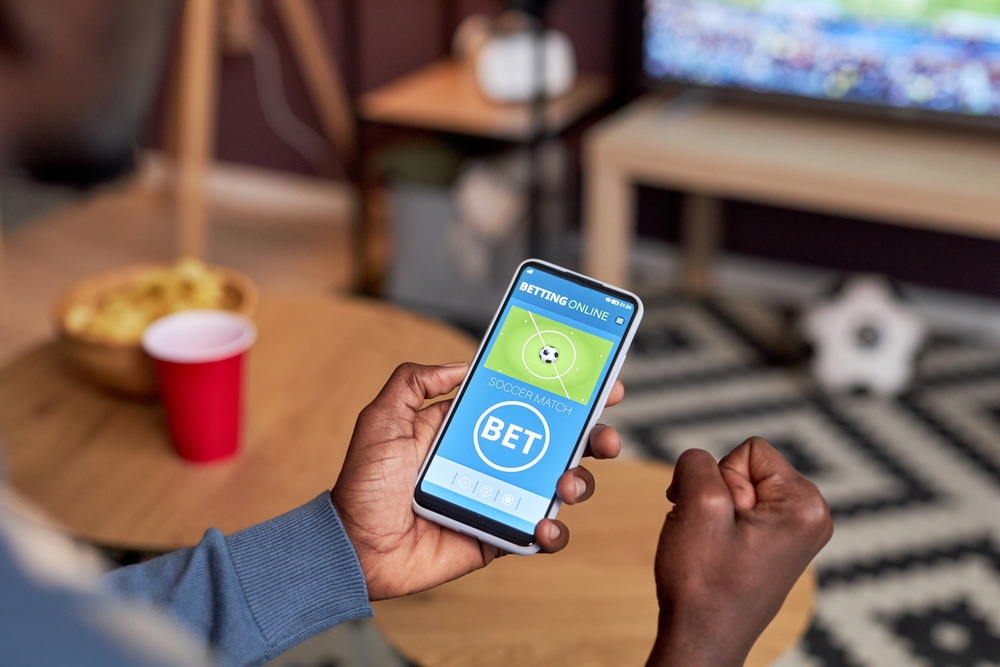
The 2026 FIFA World Cup has turned casual sports fans into active bettors almost overnight. Mobile apps make it easier than ever to place a wager between matches, during halftime, or even while the final whistle is still echoing. For millions of people, gambling starts as entertainment. For some, it quietly becomes something harder to walk away from.
Understanding where that line is — and how to recognize when it has been crossed — matters more now than at any other point in the sports calendar. The scale of World Cup betting is staggering, and the ease of mobile apps means the barrier to entry has never been lower.
When gambling stops being fun
Gambling is designed to feel rewarding. The anticipation of a result, the occasional win, and the social element of betting alongside friends can make it an enjoyable part of watching the game. But the same psychological mechanisms that make it exciting can also make it difficult to stop.
Warning signs that gambling has shifted from recreation to problem behavior include chasing losses — placing additional bets to recover money already lost. Another red flag is betting with money set aside for rent, groceries, or bills. If the urge to bet becomes difficult to ignore even when you intended to sit a match out, that pattern deserves serious attention.
Secrecy is another signal. When gambling becomes something a person hides from family or close friends, it often indicates the behavior has moved beyond casual entertainment. Irritability when not betting, or a persistent preoccupation with upcoming odds, are also signs that the habit may be taking on a life of its own. These patterns do not always appear all at once — sometimes they surface gradually, one rationalization at a time.
How to keep gambling in check
Setting a hard budget before placing any bet is the most effective tool available. Decide in advance how much you are willing to lose — not win — and treat that number as a ceiling, not a guideline. Once it is gone, the session is over.
Time limits work the same way. Betting apps are built to keep users engaged, and it is easy to lose track of how long a session has lasted. Setting a timer or a daily limit through the app itself adds a layer of accountability that willpower alone cannot always provide.
Avoid gambling under the influence of alcohol or strong emotion. Both states impair judgment and tend to produce larger, riskier wagers than a person would otherwise make. The World Cup atmosphere — packed bars, group chats, real-time score updates — creates exactly that kind of environment.
Taking breaks between matches, even briefly stepping away from the app, can interrupt the momentum that leads to compulsive behavior. The goal is to stay in control of the decision, not just the outcome. Recognizing that impulse early is often the difference between a manageable hobby and a serious problem.
Knowing when to walk away for good
For some people, moderation is not a realistic option. If previous attempts to cut back have failed, if gambling has caused financial hardship, or if it has damaged relationships or job performance, stopping entirely may be the healthiest path forward.
Reaching out for support is not a sign of weakness — it is a practical step. The National Council on Problem Gambling helpline offers confidential guidance for anyone who feels their gambling has become unmanageable. Many states also provide free counseling services specifically for gambling-related concerns.
The World Cup is a once-every-four-years event. The memories worth holding onto are the goals, the upsets, and the moments shared with people you care about — not the bets that did not pay off. Enjoying the tournament is entirely possible without risking more than you can afford to lose.