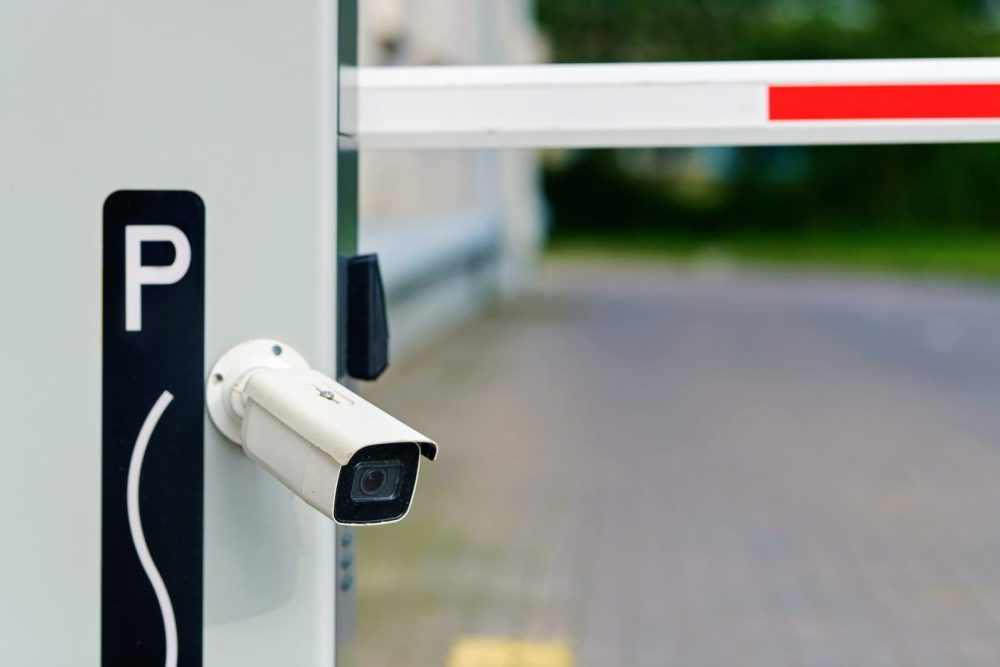
New cameras now track your phone, pets, and other devices.
A new generation of surveillance technology tied to automated license plate readers is raising fresh concerns about how much data can be collected from everyday movement. What once focused on identifying vehicles on the road is now expanding into a system that may also detect personal electronics, from smartphones to fitness trackers, and even devices inside cars.
The technology, is being promoted as SignalTrace, a system designed to enhance traditional license plate recognition tools used by law enforcement and government agencies. According to reporting from 404 Media, the system is intended to connect vehicles with a wide range of nearby digital signals.
Privacy advocates and researchers warn the shift represents a major expansion of how surveillance infrastructure operates in public spaces.
From license plates to personal devices
Traditional automated license plate readers, often known as ALPR systems, capture images of vehicles and log their locations over time. The new approach goes further by attempting to connect those vehicles to devices carried by drivers and passengers.
SignalTrace is designed to detect unique identifiers emitted by electronics such as phones, tablets, smartwatches and wireless headphones. The system may also pick up signals from vehicle connected technologies, including infotainment systems, built in Wi-Fi hotspots and tire pressure monitoring sensors.
Even smaller devices, such as tracking tags or pet microchips, are described as potential sources of identification, expanding the range of what could be linked to a vehicle’s presence.
Building detailed movement profiles
The expanded data collection allows surveillance systems to move beyond tracking cars to potentially tracking people.
By linking multiple device signals to a single vehicle, authorities could theoretically build detailed patterns of movement. This includes where a person lives, where they travel regularly and how long they remain in specific locations.
Privacy researchers note that even without accessing the content of communications, repeated location data alone can reveal sensitive behavioral patterns. The ability to associate multiple devices with one vehicle increases the precision of these profiles.
The Electronic Frontier Foundation has previously highlighted how conventional ALPR networks already create detailed logs of vehicle movement that can be used to infer personal routines and associations.
Law enforcement integration and data use
SignalTrace is being marketed primarily to government agencies, including law enforcement and border security. These groups are already among the primary customers for ALPR technology, which is widely deployed across highways, city streets and parking areas.
With the addition of device-level tracking, surveillance systems could move from recording isolated vehicle sightings to constructing broader networks of connected activity. This includes correlating multiple data points across time and location.
Critics say this evolution effectively reduces the anonymity of driving in public spaces, as vehicles may no longer be separated from the electronic devices carried inside them.
How the technology interprets signals
The system works by detecting wireless emissions from nearby devices. These signals can include Bluetooth connections, mobile hotspots and other radio frequency identifiers that devices constantly broadcast.
5 key elements of what the system may detect include:
Smartphones and tablets carried by occupants
Wearable devices such as smartwatches and fitness trackers
Vehicle systems including infotainment units and built in connectivity features
Small tracking devices like AirTags or similar products
Animal microchips when pets are present in or near a vehicle
Each identifier can be tied back to a vehicle’s recorded location, creating a layered map of movement that extends beyond the car itself.
Legal and privacy questions remain
The company behind SignalTrace has stated in technical documentation that its systems do not decrypt device content or intercept communications. Instead, the focus is on capturing broadcast signals and frequency identifiers.
However, privacy experts argue that even without content access, the ability to map device presence across locations can still reveal highly personal information.
The concept of bridging the gap between vehicles and occupants is central to the technology’s design. Once a vehicle is associated with multiple devices, separating the identity of the driver or passengers becomes significantly more difficult.
Earlier patents connected to the system were granted in recent years, signaling that the underlying technology is already moving through development and into real world deployment discussions.
Growing concerns over surveillance reach
As ALPR systems become more advanced, civil liberties groups continue to question how far surveillance should extend in public spaces. What began as a tool for identifying stolen vehicles or assisting investigations is increasingly capable of building detailed behavioral maps of everyday life.
With technologies like SignalTrace, critics say the boundary between transportation monitoring and personal surveillance is becoming less defined. As deployment expands, questions about oversight, data storage and consent are likely to become central to public debate.