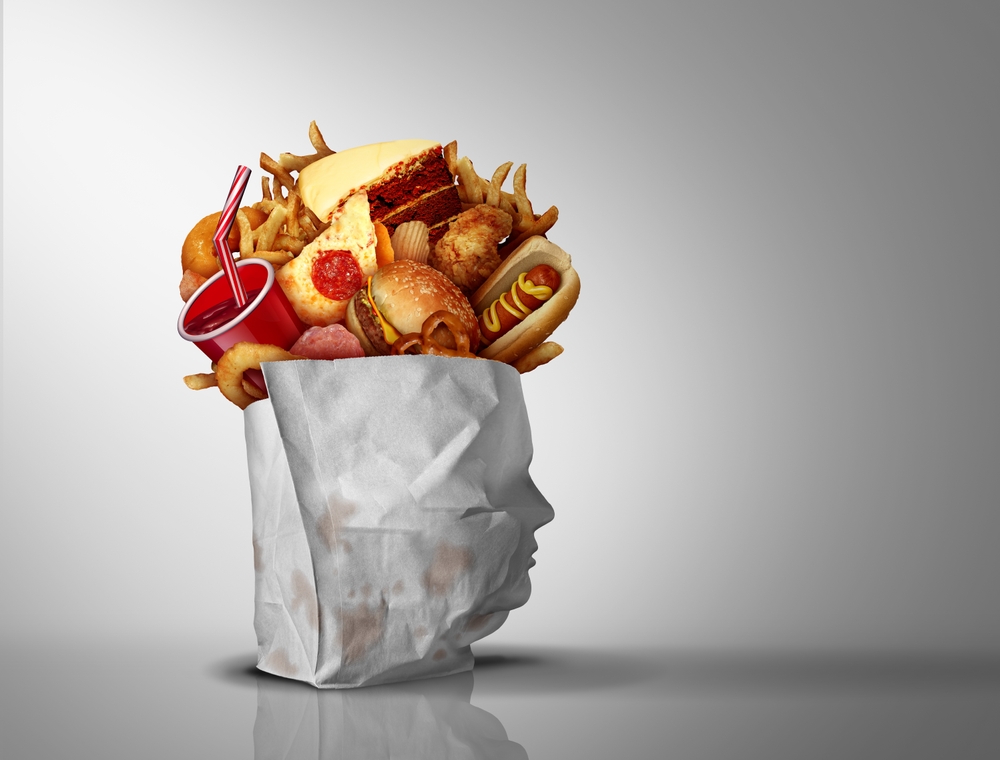
Heavy consumption of ultra-processed foods, especially processed meats, was linked to dementia.
The next time a package of deli meat or a bottle of soda ends up in the grocery cart out of habit, it may be worth pausing. A new study from researchers at the Harvard T.H. Chan School of Public Health, published in the American Journal of Public Health, found that people who regularly eat high amounts of ultra-processed foods may face a 58% greater risk of developing dementia.
The findings add significant weight to a growing pile of research pointing to the toll these foods take on the brain, and they suggest that even moderate consumption may not be as safe as many people assume.
What the research examined
The Harvard study drew from the University of Michigan’s long running Health and Retirement Study, a database in which participants tracked their food and beverage intake over time. Researchers analyzed dietary habits and health data from more than 5,300 adults over the age of 50, following them for an average of five years.
Ultra-processed foods, as defined by the Nova classification system, are products created through extensive industrial processing. They typically contain few or no intact whole foods and rely on ingredients rarely used in home cooking think packaged cookies, hot dogs, sodas, flavored chips and sliced deli meats.
What the findings revealed
Among the adults studied, those who consumed the highest quantities of ultra-processed foods had a 58% higher risk of developing dementia and a 46% higher risk of cognitive impairment compared to those who ate the least of these foods.
Processed meats, including bacon, hot dogs and sliced deli meats, showed the strongest individual association with increased dementia and cognitive impairment risk. That finding stood out even within a broader category of foods that were all tied to negative brain health outcomes.
Perhaps most notable was what the data showed for moderate consumers. Even adults who ate only mid range amounts of ultra-processed foods showed elevated risk compared to those in the lowest consumption group. That finding challenges the common assumption that occasional indulgence in these products is harmless.
On a more encouraging note, the researchers also found the reverse to be true. Adults who ate more minimally processed foods including whole grains, fruits and vegetables showed lower risks of both cognitive impairment and dementia.
Part of a much larger pattern
The Harvard study was based on observational data, which means the researchers cannot directly establish that ultra-processed foods cause dementia. Controlled clinical trials would be needed to confirm that direct relationship. Even so, the findings do not stand alone.
A study published in Alzheimer’s & Dementia in April found that ultra-processed food consumption was associated with reduced attention and increased risk factors for dementia. Earlier research published in The Journal of Prevention of Alzheimer‘s Disease in 2025 suggested that eating these foods in middle age may be connected to a higher risk of developing Alzheimer’s disease. A 2025 study in The American Journal of Clinical Nutrition linked consumption of ultra-processed meats, artificially sweetened beverages and sugar-sweetened beverages to poor memory and cognitive difficulties.
Research on younger populations has raised similar flags. A study published earlier this year found that toddlers who ate more ultra-processed foods scored lower on IQ tests when assessed between ages 6 and 7, suggesting the effects on the brain may begin far earlier in life than previously understood.
What people can do
The Harvard research team offered several practical directions for supporting brain health at a public level, including expanding community based meal programs and building food preparation skills in underserved communities.
For individuals, the guidance is straightforward: shifting toward whole, minimally processed ingredients is a meaningful place to start. That does not require perfection, but the evidence increasingly suggests that what ends up in the grocery cart week after week adds up in ways that reach well beyond the dinner table.