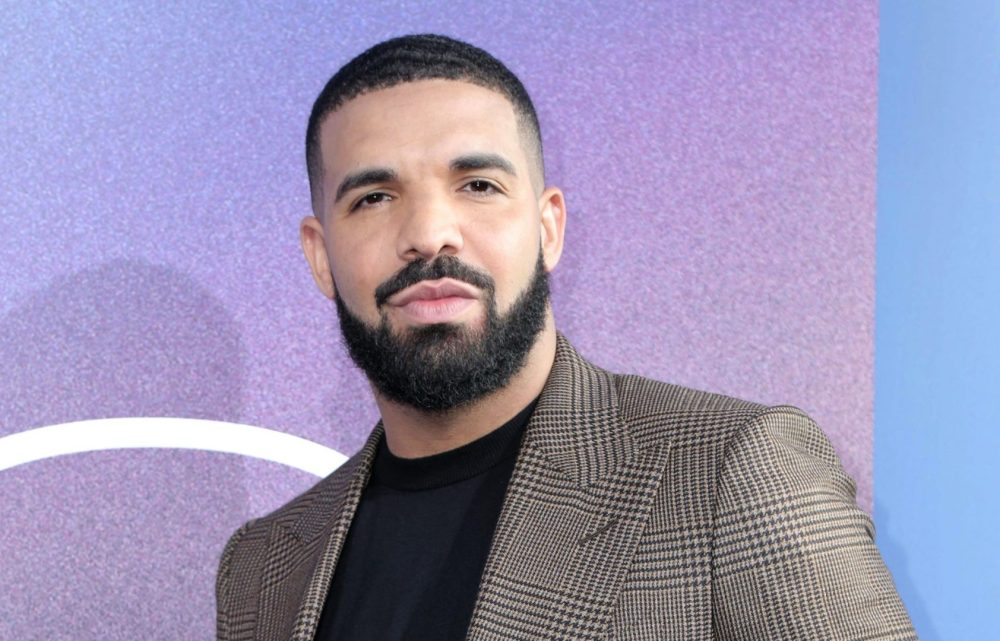
The rapper revisits the long-debated claims about Drake’s songwriting and how it changed his view of collaboration in hip-hop.
Rapper Glasses Malone is shedding new light on one of hip-hop’s most enduring debates — the ghostwriter allegations surrounding Drake. The conversation, which has resurfaced over the years, continues to divide fans and artists alike. Malone’s reflections reveal how his understanding of artistry, authenticity, and collaboration has evolved since the topic first came to his attention.
The moment Malone first heard the rumors
Malone recalls the exact moment he first learned about the allegations, and it came from someone close to the situation — Kendrick Lamar. The two rappers had discussed the buzz around Drake’s songwriting, and Kendrick’s initial disappointment left a mark on Malone. At first, he found it hard to believe that one of the industry’s most prolific hitmakers could be leaning on ghostwriters. Over time, however, he realized the conversation went beyond rumors; it spoke to a deeper shift happening in the hip-hop world.
2. Seeing Drake through a pop lens
Before the controversy, Malone had already formed his own impression of Drake. He viewed him as a gifted artist with crossover appeal, someone who could blend melody and lyricism with ease. From the moment he first heard Drake’s music, Malone recognized an almost effortless quality — what he describes as a “natural knack” for making records that connected with people.
This pop-oriented perspective helped Malone put the ghostwriting claims in context. Unlike traditional rap purists, Drake had always leaned toward a pop sensibility — a world where collaboration and shared songwriting are the norm. Malone came to see that Drake’s rise was fueled not only by lyrical skill but by an instinctive understanding of how to craft universally appealing records.
3. Drake’s take on collaboration
Over the years, Drake has addressed the controversy several times, insisting that his strength as a writer has never been in question. He has emphasized that the creative process often involves teamwork — producers, co-writers, and other artists who help shape a song’s direction. For him, collaboration is not a weakness but part of what makes great music possible.
Malone agrees that the landscape has changed. In today’s music industry, artists rarely work in isolation. From pop to hip-hop, the process has become more open and layered, with artists feeding off each other’s creativity. While the idea of using ghostwriters once felt like a betrayal of hip-hop’s core values, Malone’s stance now reflects a broader acceptance of evolution within the genre.
4. The changing face of authenticity in hip-hop
The debate over ghostwriting often boils down to one key question: what defines authenticity in hip-hop? For many, the genre’s roots in personal storytelling make lyrical authorship sacred. Others, like Malone, recognize that collaboration doesn’t necessarily dilute authenticity — it can, in fact, amplify it.
The line between writer and performer has blurred in recent years, giving rise to a new kind of artist — one who blends personal experience with collective creativity. Malone believes that understanding this shift is crucial to appreciating how artists like Drake have managed to dominate both charts and culture.
5. A new perspective on the craft
Looking back, Malone’s view on ghostwriting is far more nuanced than it once was. What began as skepticism has evolved into respect for the collaborative process. He now sees the discussion less as a controversy and more as a reflection of hip-hop’s ongoing growth.
As the genre continues to expand into global pop spaces, Malone believes that the focus should remain on artistry and execution rather than the purity of authorship. The heart of hip-hop, he suggests, lies not just in writing every word, but in creating music that resonates deeply — no matter how it’s made.
Final thoughts
Glasses Malone’s reflections on Drake’s ghostwriter rumors offer a grounded, thoughtful take on a debate that has spanned nearly a decade. Rather than judging, he invites fans to reconsider what it means to be authentic in an age defined by collaboration. For Malone, the evolution of hip-hop is proof that creativity will always find new forms of expression — and that great music often thrives when artists are willing to share the pen.
Source: HotNewHipHop