

Dateline covered the case of Reagan Tokes’ murder in its June 24, 2019, episode, Unchecked Evil. The case was indeed an instance of unchecked evil, exposing significant lapses in the criminal justice system. The case also led to major legislative changes in Ohio.
As Dateline reported, Reagan was murdered by Brian Golsby, who had already served time in jail before he even came across her. Here’s a full timeline of Reagan Tokes’ 2017 murder case.
Full timeline of Reagan Tokes’ murder case as seen on Dateline: Unchecked Evil
Before we begin to talk about what Reagan had to go through, we need to provide some context regarding Brian Golsby.
Before Brian came across Reagan
As seen on Dateline, before encountering Reagan, Golsby had served six years in prison for attempted r*pe, and was released in November 2016. Given the nature of his crime and sentencing, he was required to wear an ankle monitor, which he did, but the GPS data was not being checked in real-time. Thus, after getting released from prison, when Golsby went on a crime spree from January 24 to February 7, 2017, nothing linked him to these crime scenes. According to Dateline, in this period, Golsby had committed at least six armed robberies across Columbus.
The night of the murder (February 8, 2017)
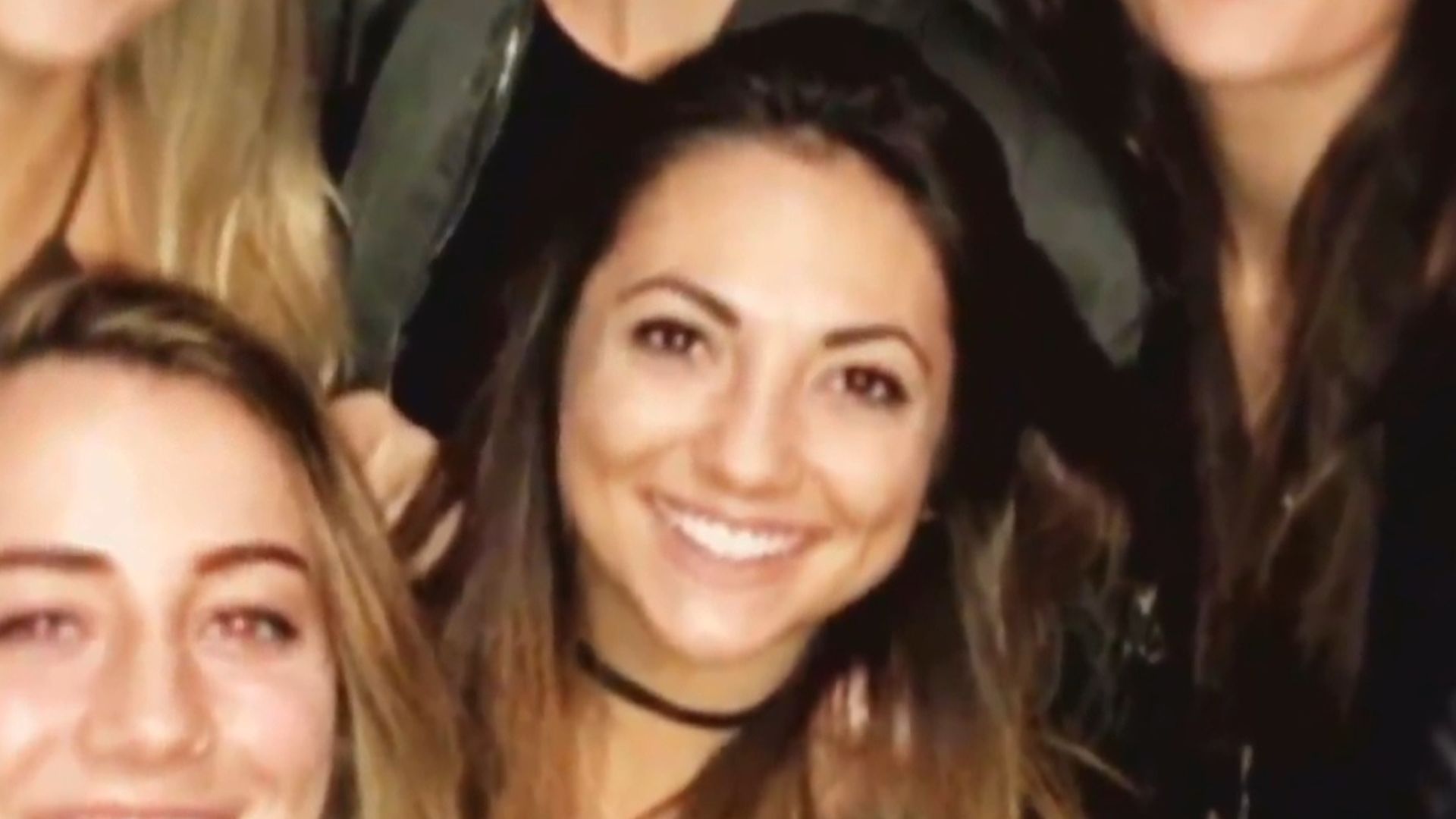
At around 9:45 PM on February 8, 2017, Reagan Tokes, a twenty-one-year-old senior at Ohio State University, finished her work shift at Bodega, a restaurant in the Short North district of Columbus. As she was walking to her car, Golsby held her at gunpoint and kidnapped her. He then forced her to drive to several ATMs to withdraw money. But Regan’s nightmare did not stop at that.
Golsby then r*ped Reagan in her car and eventually drove her to Scioto Grove Metro Park. As Dateline reported, at midnight of the same night, Golsby shot Reagan twice in the head and left her in the park. He then drove away in her car, which he later abandoned.
The Investigation and Arrest
On February 9, 2017, Reagan’s body was discovered by a passerby near the park entrance. She had been reported missing by her roommates after failing to return home. Two days later, on February 11, the police arrested Brian Golsby because investigators had found his DNA on a cigarette butt left in Reagan’s car. When they cross-referenced his GPS ankle monitor data, they found that it placed him exactly at the locations of the kidnapping, the ATMs, and the park where Reagan was found.
The Trial and Sentencing (March 2018)
According to Dateline, in March 2018, a jury found Golsby guilty on all counts, including aggravated murder, kidnapping, and r*pe. Since it was a capital case, the jury had to decide between the death penalty and life in prison, and on March 21, 2018, the judge sentenced Golsby to life in prison without the possibility of parole. While prosecutors sought the death penalty, the jury ultimately recommended life, which was partially due to Golsby’s defense highlighting his troubled upbringing.
The Aftermath: The Reagan Tokes Act
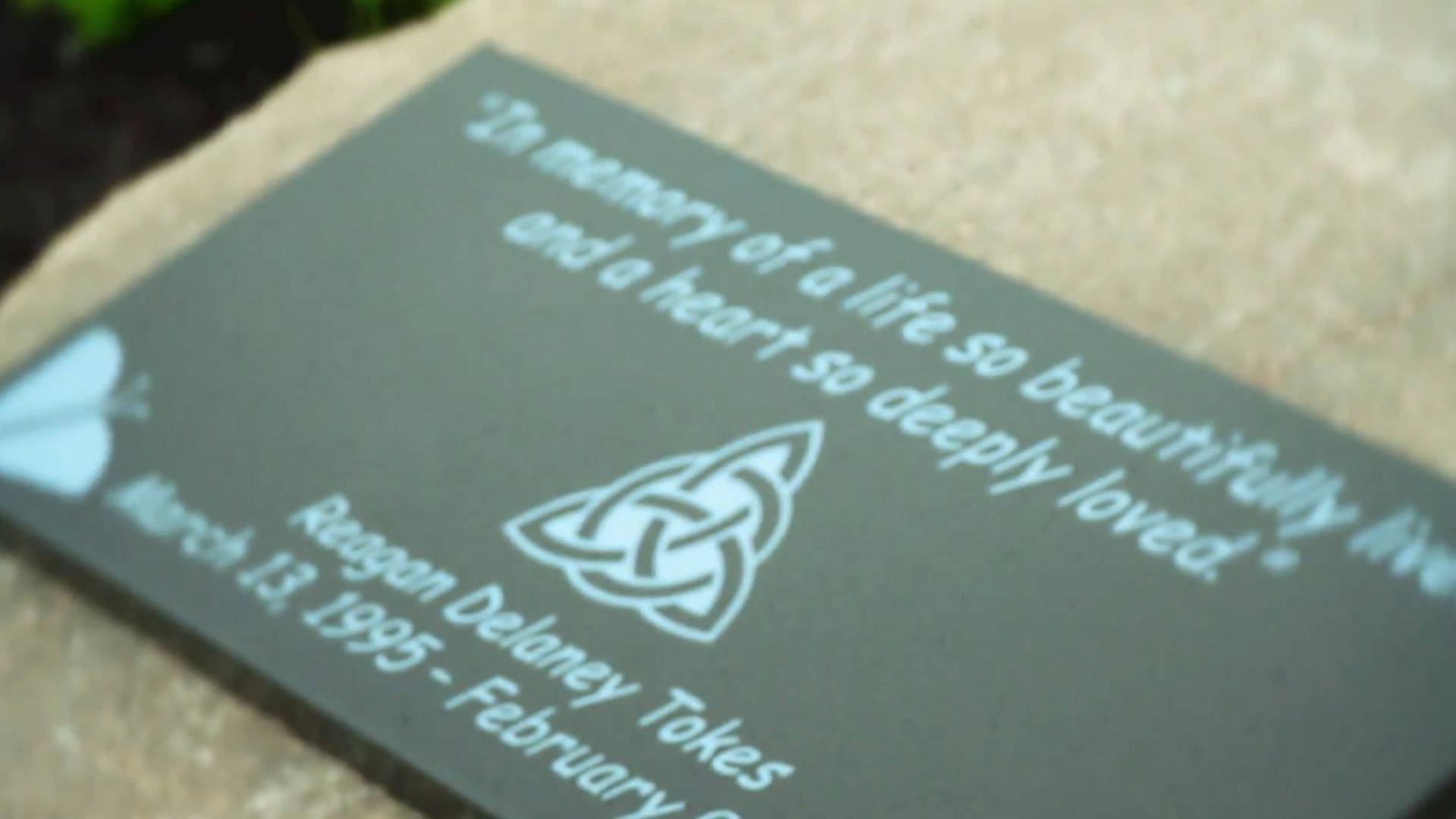
Reagan’s parents, who live in Parkland, Florida, became powerful advocates for change in the criminal justice system, leading to the Reagan Tokes Act, the first part of which was signed into law by Ohio Governor John Kasich. In March 2019, the law officially went into effect. It changed Ohio’s sentencing for serious felonies, ranging from definite terms to indefinite terms. This means that a judge can set a range (for instance, ten to fifteen years), and the prison can keep a person for the maximum time if they show they haven’t been rehabilitated.
Reagan Tokes faced a brutal fate on that terrible February night in 2017. She is one of the very rare victims who, fortunately, did receive justice, and her case led to a legislative change that has benefited many.
For more articles like this, follow Soapcentral.
Edited by Debashri Roy