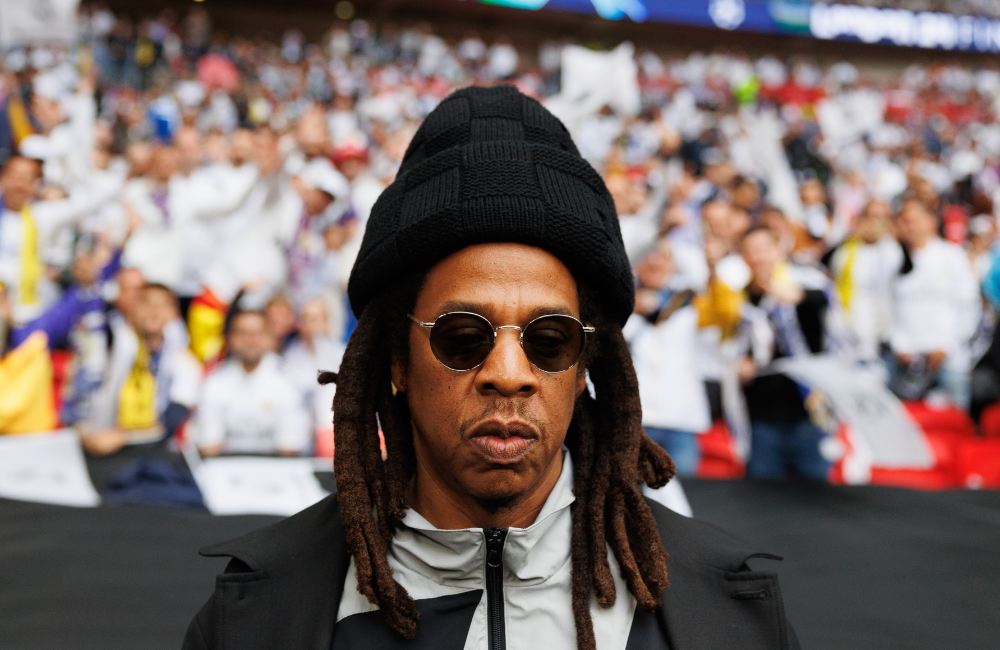
A judge dismissed Rymir Satterthwaite’s claims with prejudice, ending a contentious legal saga that began when the rapper was accused of fathering a child
A legal battle that has followed Jay-Z for nearly a decade reached its conclusion this week when a U.S. District Judge dismissed a paternity lawsuit against the hip-hop mogul with prejudice. The ruling means the case cannot be refiled, bringing a definitive end to claims made by Rymir Satterthwaite, who has long asserted that the rapper is his biological father.
The dismissal represents a significant victory for Jay-Z in what his legal team has characterized as years of unwarranted harassment. Judge Serilyn Peace Garnett granted the motion to dismiss the lawsuit that had been initiated by Lillie Coley, who previously served as Satterthwaite’s legal guardian. The decision effectively closes the door on legal claims that have persisted since Satterthwaite first came forward with his allegations.
The origins of the dispute
Satterthwaite has maintained throughout the years that Jay-Z fathered him when his late mother, Wanda Satterthwaite, was a teenager. The claims gained momentum following Wanda’s death, with Rymir seeking to compel the music icon to submit to a paternity test. In various court filings, he argued that Jay-Z has deliberately avoided acknowledging or denying the alleged parental relationship.
Previous legal documents filed by Satterthwaite painted the situation as an aggressive campaign by Jay-Z to suppress information about allegedly fathering a child with a 16-year-old girl who has since passed away. This narrative formed the foundation of Satterthwaite’s legal strategy as he pursued recognition and what he described as accountability from one of the music industry’s most powerful figures.
Multiple courts reject the claims
The legal proceedings have wound through various courtrooms over the past decade, with Satterthwaite filing numerous motions and appeals in his quest for acknowledgment. Jay-Z’s legal representatives have consistently emphasized that multiple courts have examined and rejected Satterthwaite’s allegations, finding them without merit.
The rapper’s legal team secured a contempt order against Satterthwaite at one point during the lengthy proceedings, arguing that the continued legal actions constituted harassment rather than legitimate claims. This contempt order underscored the court’s view that the case had crossed boundaries from reasonable legal pursuit into vexatious litigation.
Recent legal maneuvering
Earlier this month, Judge Garnett also denied a restraining order that Coley had requested to prevent alleged retaliation from Jay-Z’s legal camp. That decision cleared the path for Jay-Z’s attorneys to potentially seek penalties against Coley for what they describe as decades of baseless legal attacks.
The denial of the restraining order came as courts appeared increasingly skeptical of the claims being advanced by Satterthwaite and his representatives. Legal observers noted that the pattern of rulings suggested judicial frustration with the continued pursuit of claims that had been thoroughly examined and rejected.
Satterthwaite vows to continue fighting
Despite the dismissal, Satterthwaite indicated in July that he withdrew one case against Jay-Z but insisted his pursuit of justice continues. In an Instagram video update, he stated his withdrawal did not signal an end to his efforts and that he planned to refile. He accused Jay-Z of committing fraud upon multiple courts and deliberately misrepresenting facts to silence his claims.
Satterthwaite has not clarified which specific case he withdrew, and the recent dismissal with prejudice complicates any future legal action. Legal experts note that a dismissal with prejudice typically represents a final determination on the merits, making it extremely difficult to resurrect similar claims in other venues.
The broader implications
The case has sparked discussions about paternity claims involving public figures and the legal system’s handling of such disputes. For celebrities like Jay-Z, who maintain carefully curated public images, allegations of this nature can create lasting reputational challenges regardless of their veracity.
The lengthy legal battle also highlights the emotional toll such cases take on all parties involved. While Jay-Z can now move forward without this legal cloud hanging over him, Satterthwaite remains adamant about his claims and has expressed intentions to seek damages for what he describes as reputational and emotional distress.
What comes next
With this dismissal, Jay-Z appears to have definitively prevailed in court. Whether Satterthwaite will find new legal avenues to pursue his claims remains uncertain, though the dismissal with prejudice creates substantial barriers to future litigation on the same grounds.
For now, a legal saga that has persisted for nearly 10 years has reached what appears to be its conclusion, allowing Jay-Z to focus on his business ventures and family life without the specter of ongoing paternity litigation.