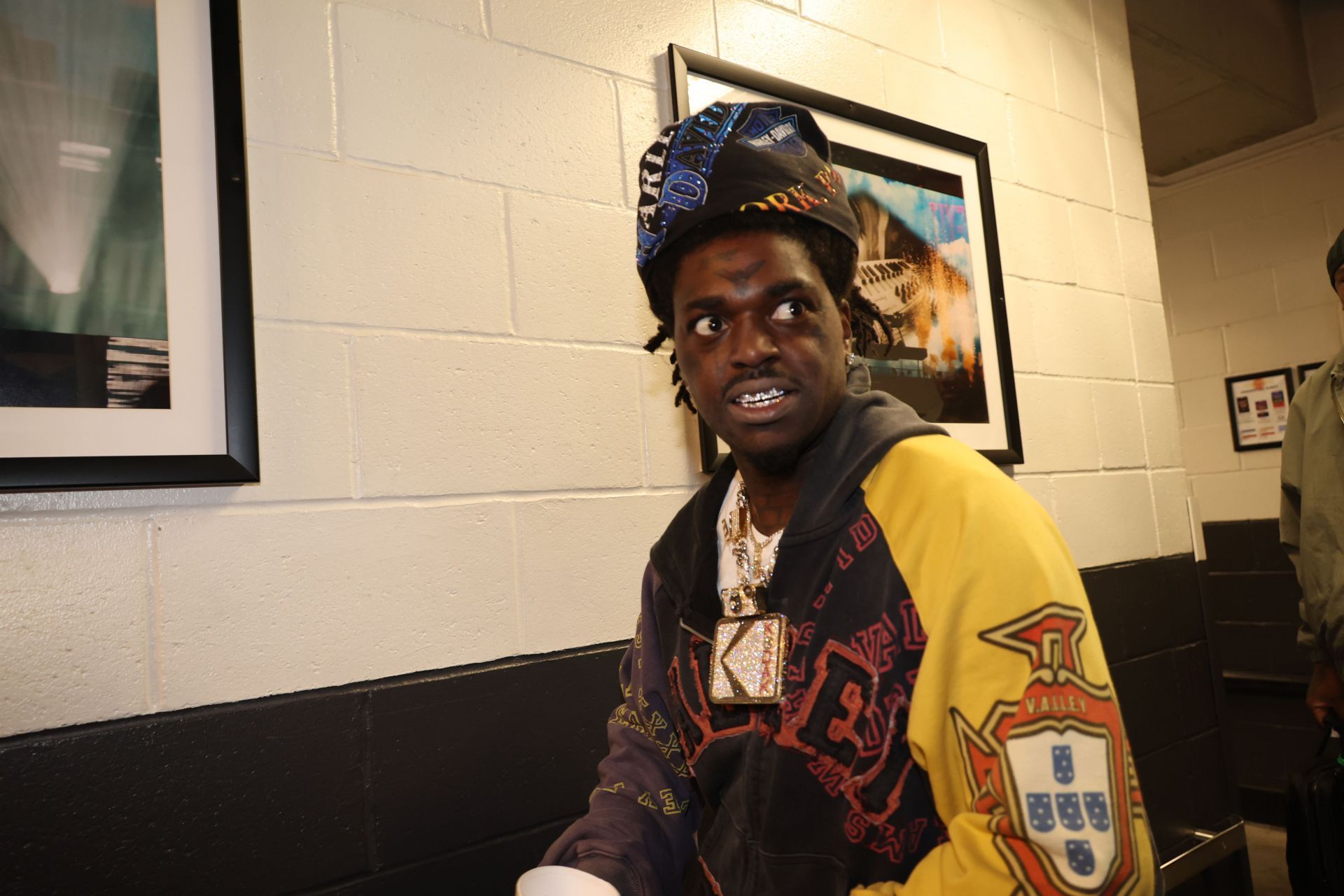

Bill Kapri, better known by his stage name Kodak Black, is a Haitian-American rapper and songwriter. While his career has been buoyed by periods of impressive mainstream success, his several public controversies and legal issues have made him a divisive figure.
In the latest news concerning the “Zeze” artist, Kodak Black was arrested on May 6. The rapper turned himself in based on an existing warrant from a November investigation related to a felony drug charge of trafficking MDMA. The charges stem from an incident where Orlando police were forced to rush to the scene after residents complained of gunshots.
When the officers arrived they spotted the artist as well as enough probable cause to search the two luxury cars on the scene. As per the police report, upon conducting the search, the officer in charge apprehended $37,000 and 56 grams of cannabis, as well as a container with pink pills later confirmed to be MDMA. The rapper has plead not guilty and his bail is currently set at $75,000.
In a conversation with USA TODAY, his attorney Bradford Cohen shared the following insight on his client’s “coordinated surrender”.
“I will be fighting the charge. This is an ongoing theme where cases that would normally not be filed due to a weak legal basis are filed against Mr. Kapri.
He added,
We look forward to yet another fruitful resolution to another case that should have never been filed.”
While Kodak Black appears to maintain his innocence, it is sadly yet another item on the list of troubling developments for the young musician.
Kodak Black’s checkered legal past, and more
As previously mentioned, the latest charge against Kodak Black is just the latest in a string of legal troubles dating back to when he first broke out as an artist in 2015. His most recent charge prior to the on-going investigation occurred in 2023 when he was arrested for possession of cocaine.
In the strange incident, a Florida officer allegedly found him asleep in the driver’s seat of an SUV that was blocking the road and ultimately booked the rapper upon oticing a suspicious white powder. The substance initially identified as cocaine was later confirmed to be oxycodone for which Kodak Black had a valid prescription, although his arrest also enacted a probation violation tied to a previous case, which led to his incarceration. A judge eventually ordered his release after two months on the basis of time served.
Prior to that, in 2019, President Donald Trump also pardoned Kodak Black while he was in the midst of serving a four-year sentence for firearm possession.
Edited by Rahul Singh