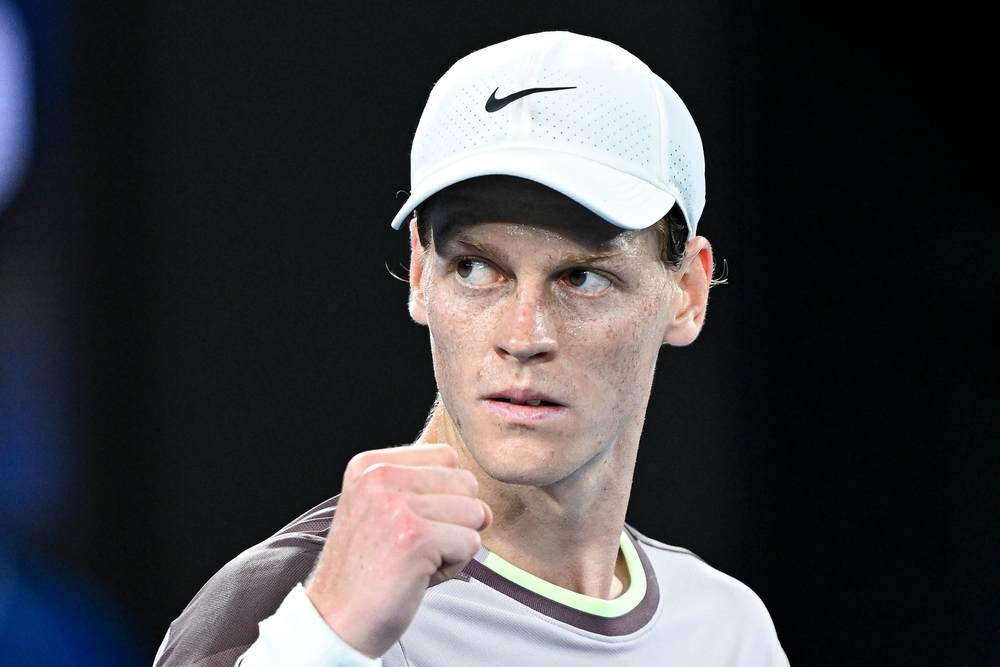
The Italian star continues his dominant run with a commanding victory over Alexander
A group of leading tennis players, including Jannik Sinner, Aryna Sabalenka and Coco Gauff, are raising concerns about prize money at this year’s French Open, signaling ongoing tension between athletes and Grand Slam organizers.
The clay-court tournament, held annually at Roland Garros in Paris, is set to begin later this month. While organizers recently confirmed an increase in total prize money, several top players say the broader financial picture tells a different story.
why players are raising concerns
Tournament officials announced that the total prize pool for this year will reach 61.7 million euros, reflecting an increase of about 10 percent compared to last year. Despite that rise, players argue their overall share of tournament revenue continues to shrink.
According to figures shared by the group, players’ share is projected to dip below previous levels, even as the event’s revenue continues to climb. The concern centers less on the headline prize totals and more on how those figures compare to the tournament’s overall earnings.
The players believe that the value they bring to the sport is not being reflected proportionally in compensation. As global interest in tennis grows and major tournaments generate increasing revenue, they say the distribution model has not kept pace.
3 key issues behind the dispute
- Declining revenue share
Players point to data suggesting that their percentage of total tournament revenue has decreased in recent years. Even with incremental increases in prize money, the gap between earnings and overall revenue appears to be widening. - Lack of representation
Another major concern is the limited role players have in decision-making processes. The group has emphasized the need for more direct input on matters that affect their careers, including tournament structure and financial planning. - Player welfare and long-term support
Beyond prize money, athletes are also calling attention to issues such as pensions and long-term health support. They argue that as the sport evolves, these areas should be addressed alongside financial considerations.
how prize money compares
This year’s singles champions in both the men’s and women’s draws will earn 2.8 million euros, with runners-up receiving half that amount. Semifinalists and early-round participants will also see incremental increases in payouts.
However, players argue that these figures should be viewed in the context of the tournament’s total revenue, which has continued to grow significantly. Estimates suggest the event could surpass 400 million euros in revenue, raising further questions about how earnings are distributed.
The comparison to other major tennis events has also become part of the discussion. Players have pointed to combined ATP and WTA tournaments, where the percentage of revenue allocated to athletes is reportedly higher.
ongoing tensions with Grand Slam organizers
This is not the first time players have voiced concerns. Many of the same athletes were involved in earlier discussions with organizers of all four Grand Slam tournaments, seeking adjustments to both financial structures and governance.
Despite those efforts, players say progress has been limited. They continue to push for more transparency and collaboration, particularly when it comes to decisions that directly impact their professional lives.
Notably, Novak Djokovic was not listed among those supporting the most recent statement, though he has previously been involved in broader conversations about player rights and representation.
what happens next
With the tournament approaching, attention is likely to remain on both the competition and the ongoing discussions behind the scenes. While no immediate response has been issued by organizers, the situation underscores a broader shift within professional tennis.
Players are increasingly advocating for a more balanced structure that reflects their role in driving the sport’s popularity and financial success. As other global sports continue to evolve in areas like governance and revenue sharing, tennis faces growing pressure to adapt.
For now, the focus returns to the courts in Paris, where the world’s top players will compete for one of the sport’s most prestigious titles. At the same time, their collective voice signals that conversations about fairness and the future of the game are far from over.