The rapper’s concert cancellations keep mounting as Poland, France and the UK all move against him
For Kanye West, the professional consequences of years of antisemitic statements and expressed support for Nazi ideology are no longer abstract. They are arriving in the form of canceled concerts, a country-wide ban, and a late-night visit to a Jewish human rights organization in Beverly Hills that raised far more questions than it answered.
A quiet visit with significant implications
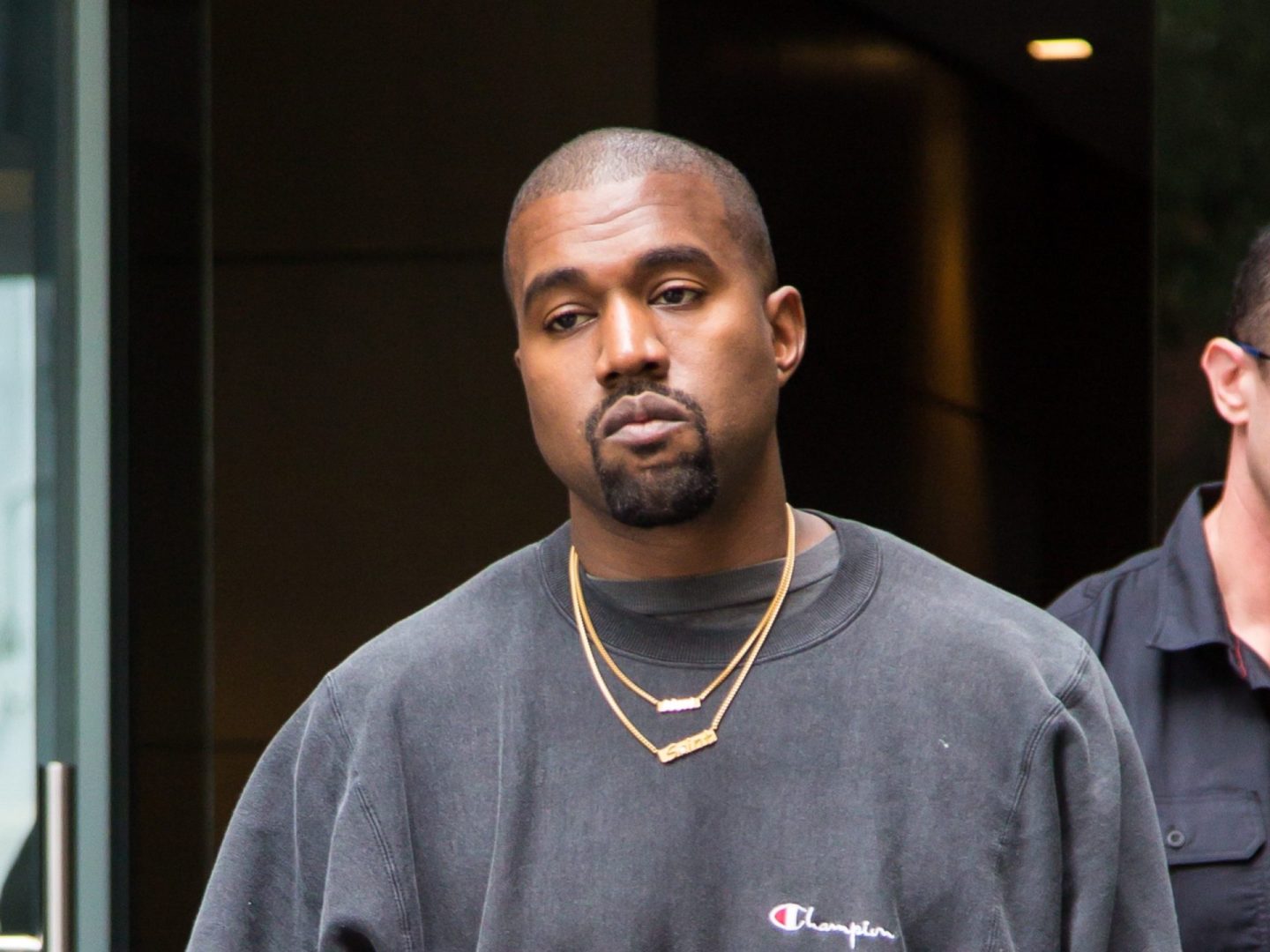
West was photographed leaving the Simon Wiesenthal Center in Beverly Hills on Monday evening, declining to speak with media waiting outside. The Simon Wiesenthal Center is one of the most prominent Jewish human rights organizations in the world, and the visit suggested some form of direct engagement with the community most affected by his statements. West walked to his vehicle without stopping and offered no comment. Neither he nor the center provided any public statement about the nature or outcome of the meeting.
The rapper, who legally performs under the name Ye, has issued public apologies for antisemitic remarks made over recent years, but those apologies have not slowed the institutional and commercial consequences continuing to follow him.
3 concert dates have now been pulled
The professional fallout has reached a scale that is difficult to overlook. Three major concert setbacks have now occurred in close succession.
- The United Kingdom moved to ban West from entering the country, which directly resulted in his removal from the Wireless Festival lineup.
- A concert in Marseille, France, was subsequently postponed with no rescheduled date, announced by organizers as deferred until further notice.
- A June 19 concert at the Silesian Stadium in Chorzów, Poland, was formally canceled, with stadium management citing legal grounds for the decision.
Poland’s notably direct explanation
Polish officials went considerably further than citing administrative technicalities. The country’s Minister of Culture and National Heritage stated that hosting a performance by an artist who has publicly voiced antisemitic views, minimized historical atrocities, and sold merchandise bearing Nazi imagery is simply not acceptable in Poland.
The Ministry of Foreign Affairs issued a supporting statement, making clear that freedom of artistic expression does not provide cover for promoting xenophobia or spreading hate speech, and that proceeding with the event would actively damage Poland’s reputation as a country.
The stance carries particular weight given Poland’s history. The canceled concert was scheduled in the Silesia region, an area that bore some of the most devastating consequences of Nazi occupation during World War II. For Polish officials, the decision was evidently not a close call.
Where things stand now
The cumulative picture is one of accelerating institutional distance. Brands, festivals, venues, and now multiple governments have each drawn their own lines at their own pace, but the direction has been consistent throughout.
West’s Wiesenthal Center visit may indicate a more deliberate effort to engage directly with the Jewish community beyond the scope of public statements and apologies. Whether that effort translates into any meaningful reversal of his current standing with promoters, broadcasters, or international governments remains an open question, and for now, the fallout shows no clear signs of slowing.
SOURCES: TMZ, mezha